Table of Contents
- How Much Exercise Does Your Dog Really Need Daily?
- Why Is Daily Exercise Important For Dogs?
- How Much Exercise Does A Dog Need Every Day?
- Dog Exercise Requirements By Age
- How Dog Breed And Size Affect Exercise Needs
- Best Types Of Exercise For Dogs
- Indoor Exercises For Dogs
- Signs Your Dog May Not Be Getting Enough Exercise
- Signs Your Dog May Be Exercising Too Much
- How To Create A Healthy Daily Exercise Routine
- Exercise Safety Tips Every Dog Owner Should Know
- Frequently Asked Questions About Dog Exercise
- Final Thoughts: Give Your Dog The Right Amount Of Daily Exercise
- Veterinary And Educational References
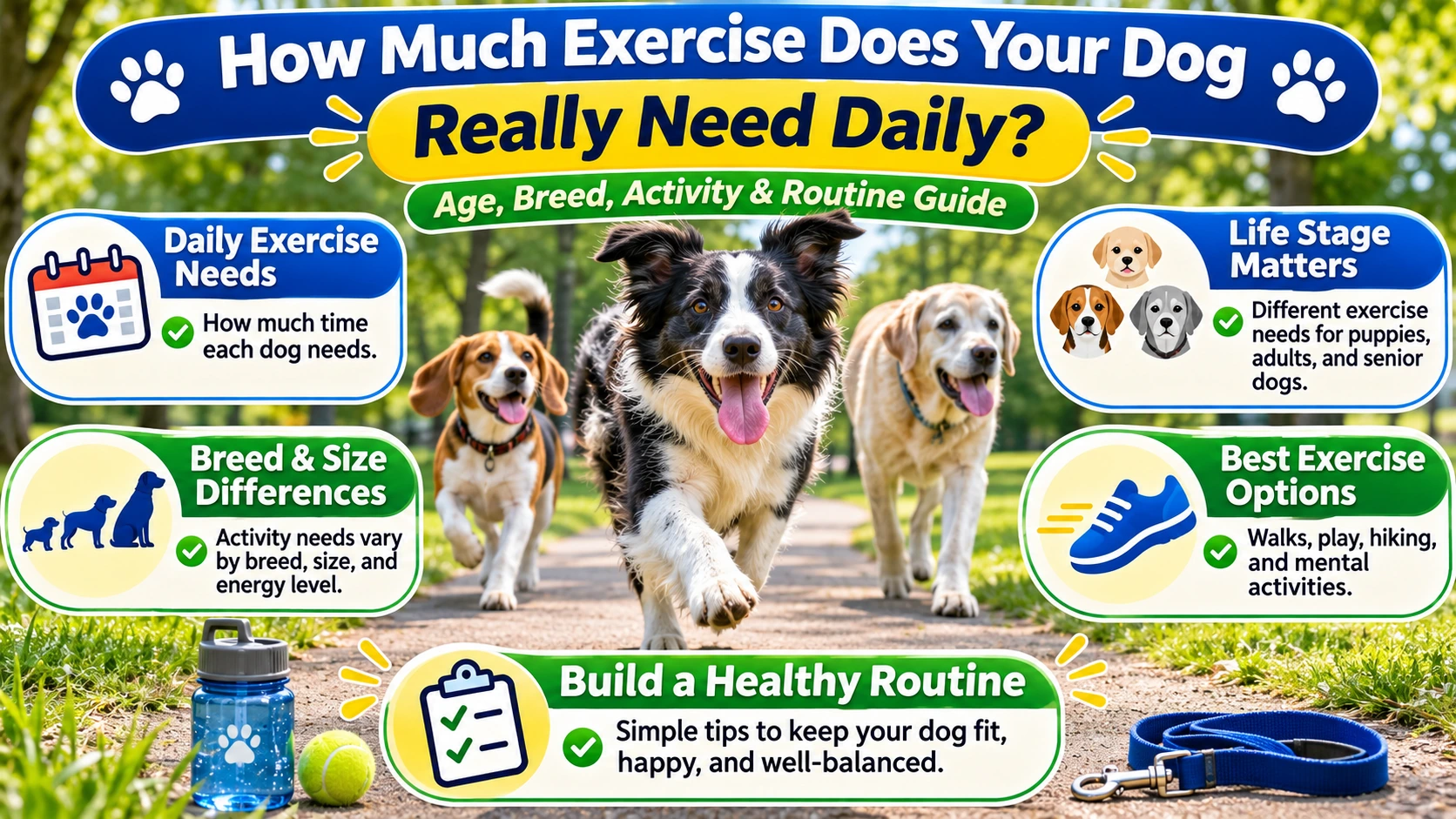
How Much Exercise Does Your Dog Really Need Daily?
Regular physical activity is an essential part of keeping your dog healthy, happy, and mentally stimulated. Daily exercise helps dogs maintain a healthy weight, develop strong muscles, support joint mobility, and release excess energy. However, not every dog needs the same amount of activity. A young Border Collie, for example, may have very different exercise requirements from an older Bulldog or a small companion dog.
Understanding your dog’s individual exercise requirements is important because both insufficient activity and excessive exercise can affect their wellbeing. Age, breed, health, fitness level, and personality all influence how much movement your dog needs each day.
So, how much exercise does a dog really need daily? In this guide, we will explore daily exercise recommendations, differences between puppies and senior dogs, suitable activities for different breeds, indoor exercise ideas, and practical ways to build a healthy routine.
Why Is Daily Exercise Important For Dogs?
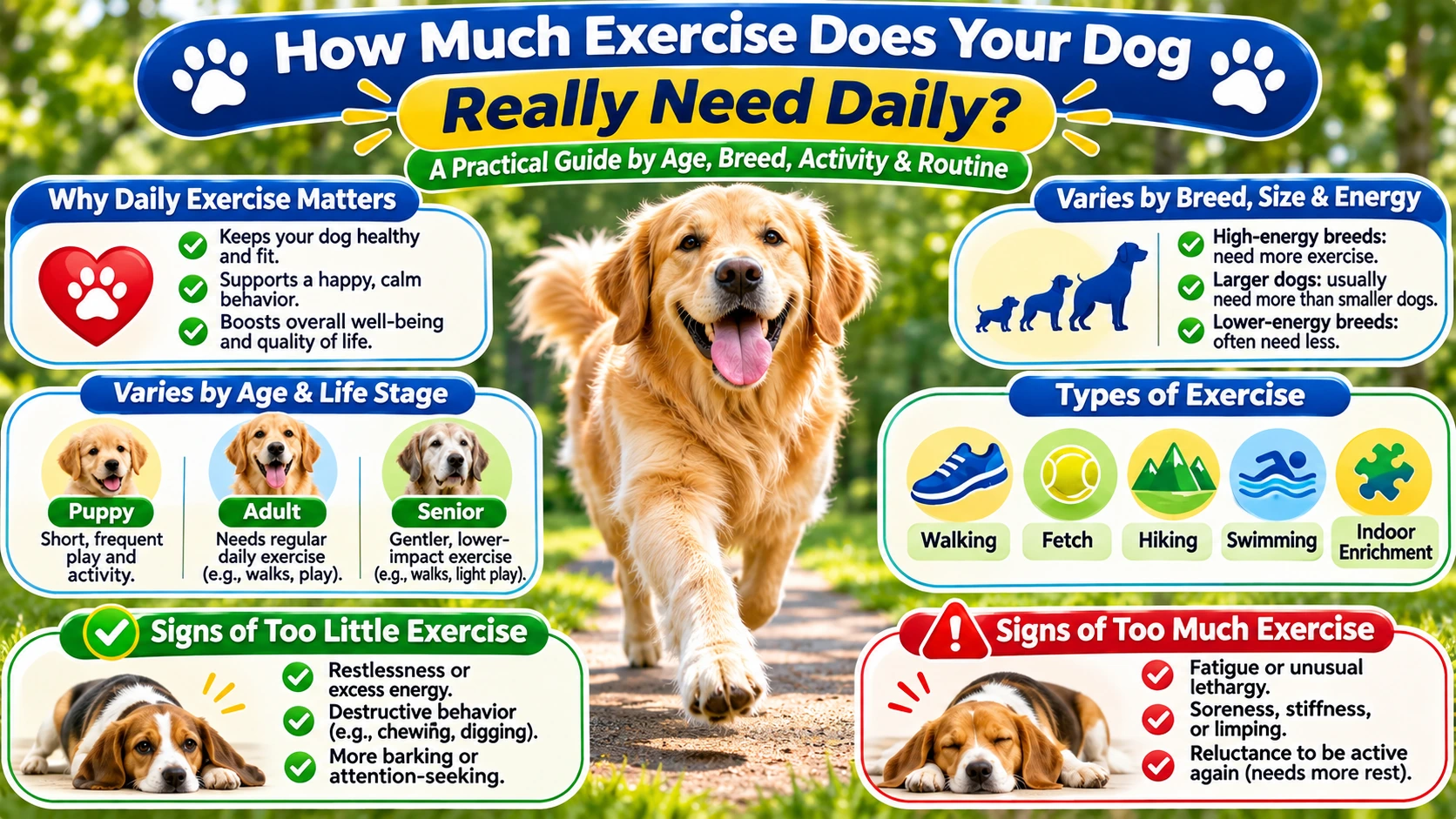
Exercise does much more than help dogs burn energy. It supports several aspects of their physical and behavioral health. Dogs need opportunities to walk, explore, play, and interact with their surroundings.
A suitable exercise routine can provide several benefits:
- Weight management: Regular movement helps dogs maintain a healthy body condition and reduces the risk of excess weight gain.
- Muscle strength: Walking, playing, and other appropriate activities help maintain muscle function and physical fitness.
- Joint mobility: Gentle, regular movement supports mobility and helps dogs remain active throughout different life stages.
- Mental stimulation: Exploring new environments and discovering different scents provide valuable mental enrichment.
- Behavioral wellbeing: Appropriate activity can help reduce boredom and frustration.
- Social opportunities: Safe walks and positive interactions can help dogs become more comfortable with their surroundings.
Exercise also provides an opportunity for owners to strengthen their relationship with their pets through walking, training, and interactive play.
How Much Exercise Does A Dog Need Every Day?
There is no universal exercise duration that works for every dog. Some healthy adult dogs may be comfortable with approximately 30 minutes of daily activity, while more energetic breeds may benefit from one to two hours or more, depending on their individual needs.
These figures are general starting points rather than strict requirements. A veterinarian can help determine an appropriate routine based on your dog’s physical condition, age, breed, and health history.
General Daily Exercise Considerations
Moderate-energy adult dogsRegular walks combined with interactive activities.High-energy adult dogsMore substantial physical and mental stimulation.PuppiesShort, age-appropriate activity sessions with plenty of rest.Senior dogsRegular, comfortable movement adapted to mobility and health.
| Dog Category | General Exercise Considerations | Suitable Activities |
|---|---|---|
| Low-Energy Adult Dogs | Moderate daily activity adjusted to individual fitness and health. | Leisurely walks, gentle play, and sniffing activities. |
| Moderate-Energy Adult Dogs | Regular walks combined with interactive activities and mental stimulation. | Walking, fetch when appropriate, and training games. |
| High-Energy Adult Dogs | More substantial physical activity and mentally challenging stimulation. | Longer walks, scent work, structured play, and supervised agility activities. |
| Puppies | Short, gentle, age-appropriate activity sessions with plenty of rest. | Gentle play, exploration, and short positive-reinforcement training sessions. |
| Senior Dogs | Regular, comfortable movement adapted to mobility, stamina, and health. | Short walks, gentle play, sniffing activities, and suitable swimming. |
Remember that exercise does not have to happen in one continuous session. Several shorter walks and play periods throughout the day may be more comfortable for many dogs.

Dog Exercise Requirements By Age
A dog’s exercise needs change throughout its life. Puppies are still developing, adult dogs generally need consistent physical activity, and senior dogs may require gentler routines that accommodate changes in mobility and stamina.
How Much Exercise Does A Puppy Need?
Puppies are naturally curious and energetic, but their growing bodies need special consideration. Their bones, joints, and muscles are still developing, so strenuous or repetitive exercise may place unnecessary stress on their bodies.
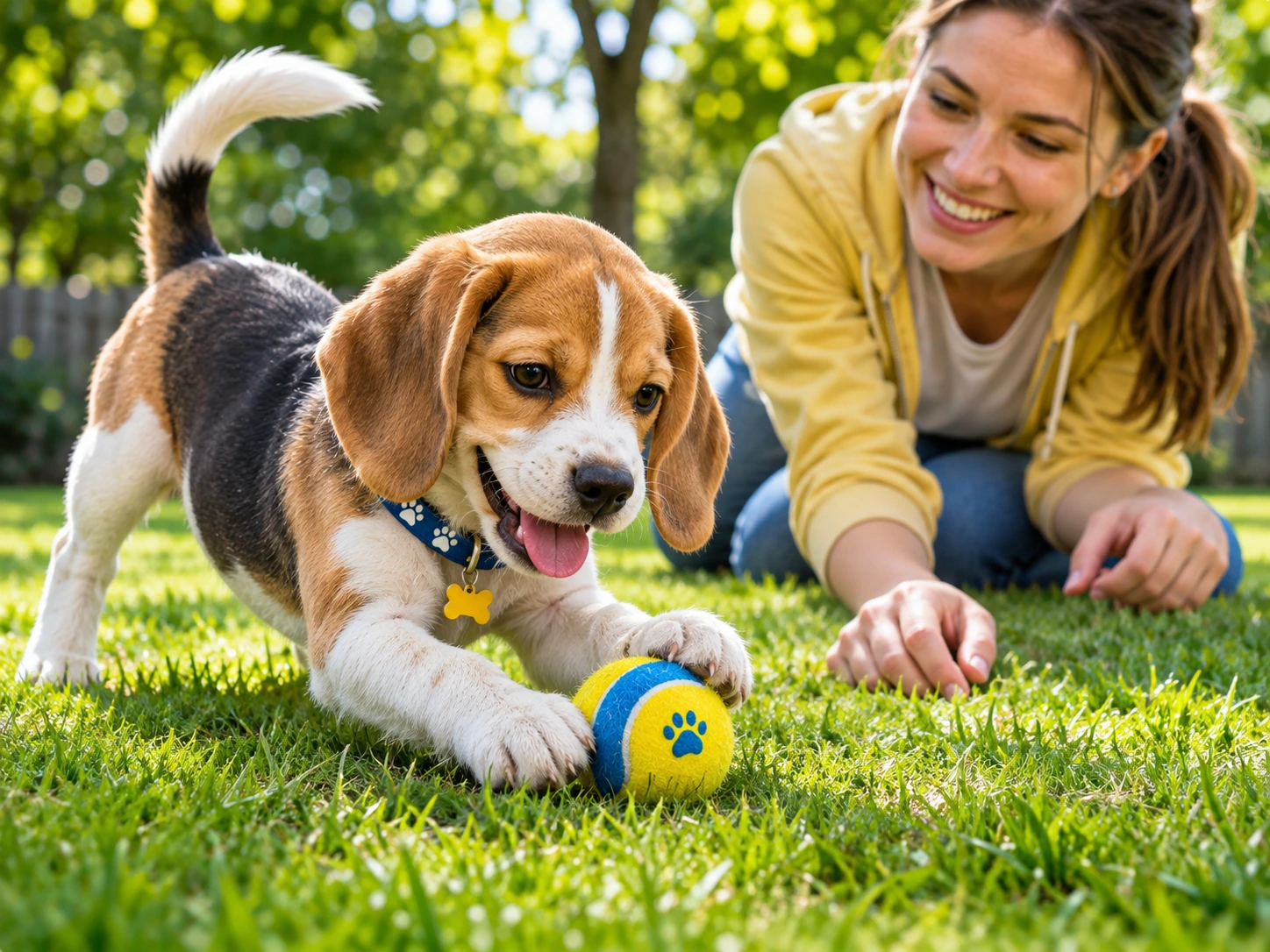
Instead of long walks or intense workouts, puppies generally benefit from:
- Several short, supervised play sessions.
- Gentle walks appropriate for their developmental stage.
- Positive reinforcement training.
- Safe opportunities to explore new environments.
- Interactive toys and simple scent games.
- Frequent opportunities to rest and sleep.
Avoid forcing a puppy to continue exercising when it becomes tired. The appropriate activity level depends on the puppy’s age, breed, development, and health. Ask your veterinarian for individualized advice rather than relying on a fixed exercise formula.
How Much Exercise Does An Adult Dog Need?
Healthy adult dogs generally benefit from a consistent daily exercise routine. However, the amount of activity needed varies considerably between individuals.
Some companion breeds are comfortable with moderate walks and indoor play, while working and herding breeds may need considerably more physical and mental stimulation.
A balanced routine for an adult dog may include:
- Daily walks that allow time for exploration and sniffing.
- Interactive play suited to the dog’s physical abilities.
- Short training sessions that encourage learning.
- Opportunities to explore different safe environments.
- Rest periods between more demanding activities.
Pay attention to your dog’s response to exercise. The routine should support fitness without causing excessive fatigue or discomfort.
How Much Exercise Does A Senior Dog Need?
Older dogs still benefit from daily movement, even when their activity levels decrease with age. Regular gentle exercise can help maintain mobility, muscle function, and mental engagement.
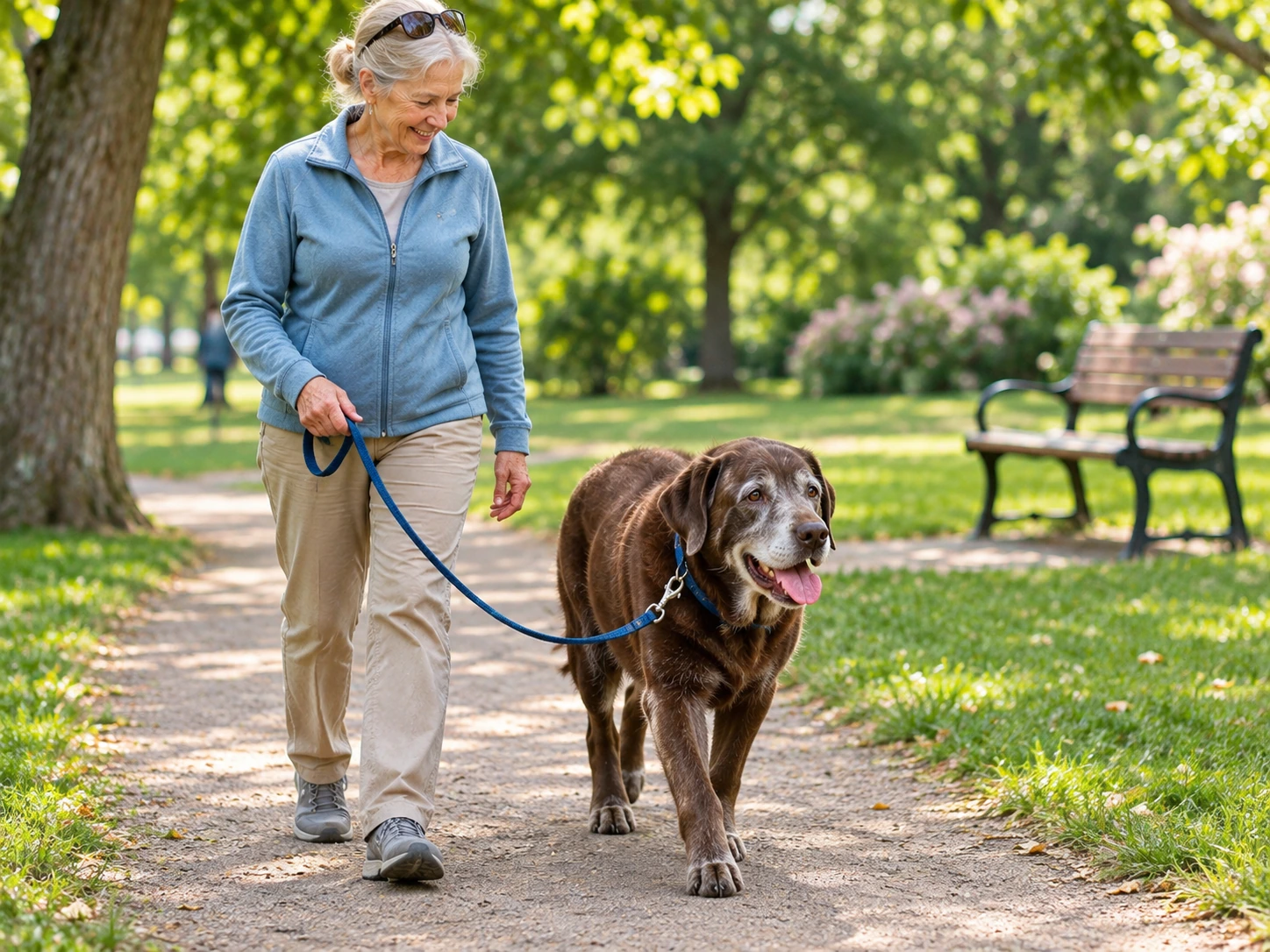
However, senior dogs may experience arthritis, reduced stamina, vision changes, or other health conditions that affect their ability to exercise.
Suitable activities may include:
- Short, comfortable walks.
- Gentle sniffing and exploration.
- Low-impact games.
- Swimming when medically appropriate and supervised.
- Simple mental enrichment activities.
If your senior dog develops stiffness, limping, unusual tiredness, or difficulty moving, consult a veterinarian before increasing physical activity.
How Dog Breed And Size Affect Exercise Needs
Breed characteristics can influence a dog’s natural activity level, stamina, and preferred types of exercise. However, breed alone does not determine an individual dog’s needs. Health, age, fitness, and personality are equally important considerations.
High_Energy Dog Breeds
Some working and herding breeds were developed for activities that require considerable stamina and concentration. They often benefit from a combination of physical exercise and mentally challenging activities.
Examples include:
- Border Collies: Intelligent herding dogs that often enjoy training, structured play, and problem-solving activities.
- Australian Shepherds: Active dogs that generally benefit from varied exercise and mental stimulation.
- Siberian Huskies: Athletic dogs with substantial exercise needs, although activity must be adapted to weather conditions and individual fitness.
- Labrador Retrievers: Active, versatile dogs that often enjoy walking, retrieving games, and swimming.
Moderate_Energy Dog Breeds
Many dogs have moderate activity requirements and can remain healthy with consistent walks, playtime, and mental enrichment.
Examples may include:
- Beagles.
- Cocker Spaniels.
- Miniature Schnauzers.
- Many mixed-breed companion dogs.
Lower_Energy And Short_Nosed Breeds
Some breeds may be more comfortable with moderate, low-impact activities. Dogs with short noses, including Bulldogs and Pugs, may have difficulty breathing efficiently during strenuous activity, particularly in warm or humid weather.
For these dogs, gentle walks, supervised indoor play, and appropriate enrichment may be more suitable than intense exercise.
Never assume that a small dog needs very little activity or that a large dog automatically needs hours of exercise. Individual requirements should always guide the routine.
Best Types Of Exercise For Dogs
Providing different forms of activity can make your dog’s routine more enjoyable while supporting both physical and mental wellbeing.
1. Daily Walking
Walking is one of the simplest and most accessible forms of exercise for dogs. It provides opportunities to move, explore, encounter new smells, and experience different environments.
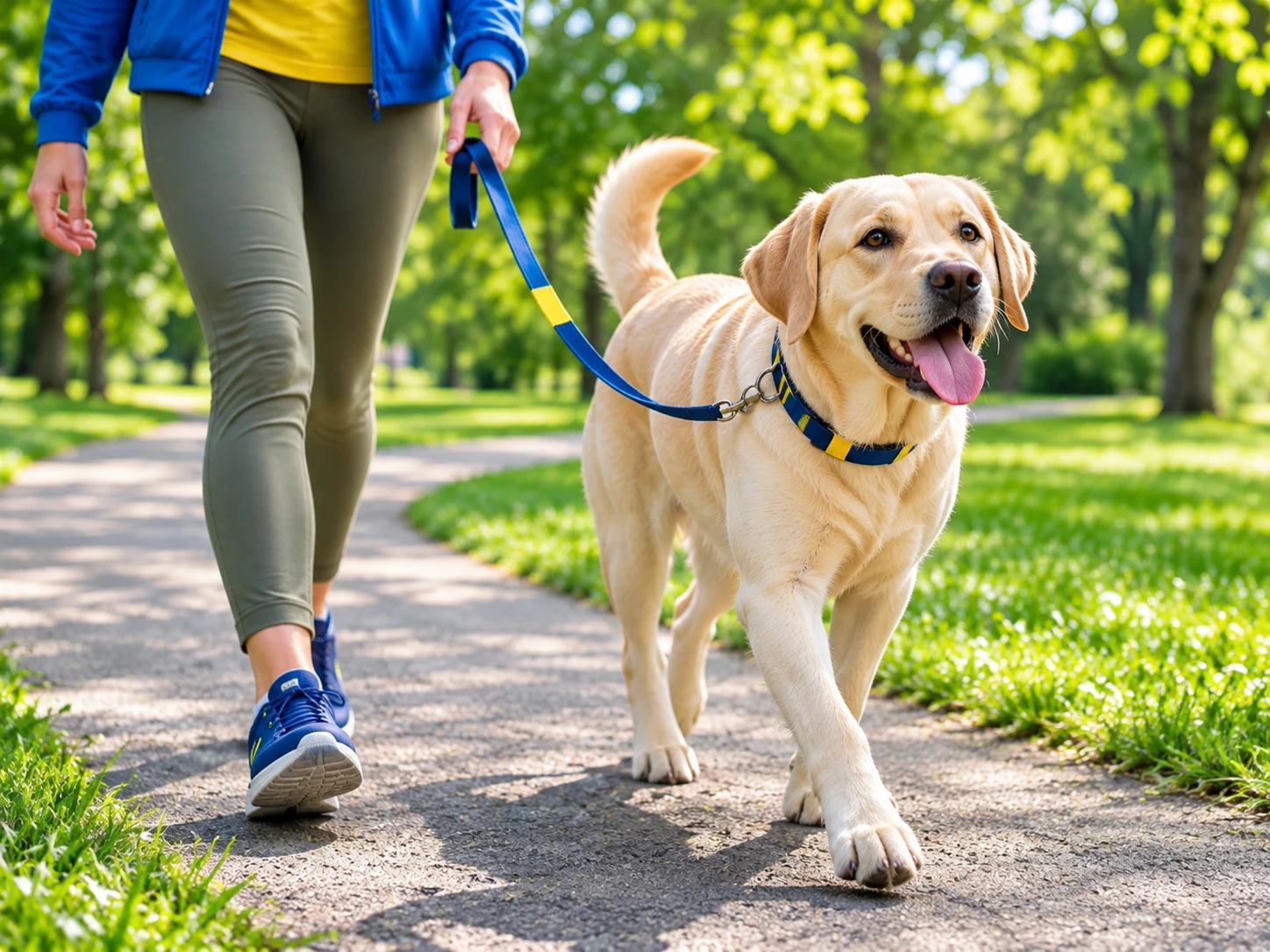
Varying walking routes can make everyday outings more interesting. Allow your dog time to sniff and investigate safe surroundings rather than treating every walk as a race.
2. Fetch And Interactive Play
Many dogs enjoy retrieving toys, chasing suitable objects, and playing interactive games with their owners.
Choose safe toys and play on suitable surfaces. Avoid excessive jumping, sudden high-speed turns, and repetitive throwing, particularly for puppies, senior dogs, and dogs with joint problems.
3. Swimming
Swimming can provide low-impact physical activity for dogs that enjoy water and are medically suitable for it.
Always supervise your dog around water. Introduce swimming gradually, provide an easy exit point, and never force a dog into the water.
4. Scent Work And Nose Games
Dogs experience the world through their sense of smell. Scent-based games provide valuable mental stimulation and encourage natural exploration.
You can hide a few suitable treats around a safe room or use a snuffle mat designed for dogs. Allow your pet to investigate at its own pace.
5. Agility And Obstacle Activities
Agility activities encourage dogs to follow directions, navigate obstacles, and develop coordination. They can also strengthen communication between dogs and their owners.
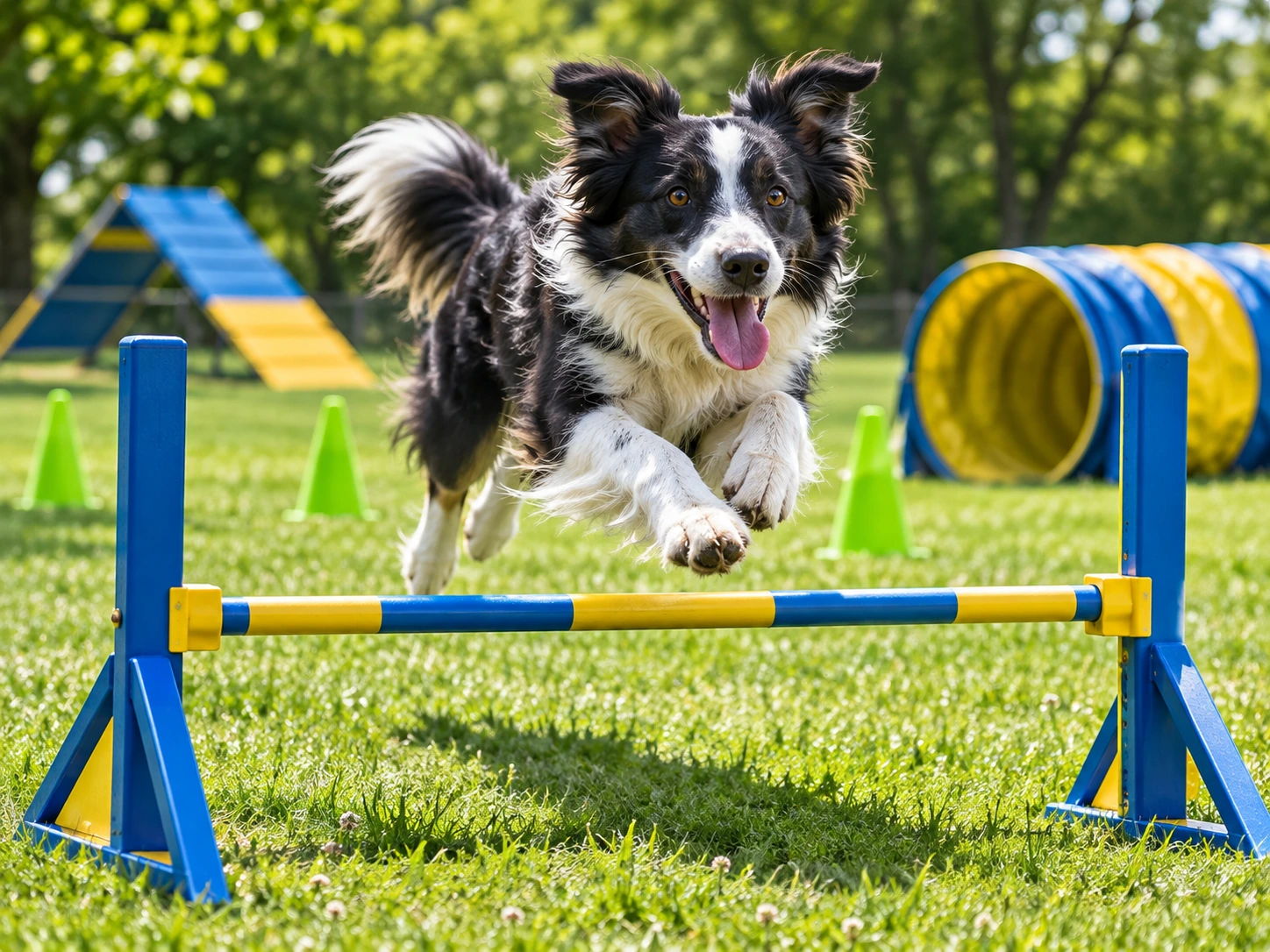
Use age-appropriate equipment and avoid demanding jumps or difficult obstacles for dogs that are still growing or have mobility concerns.
Indoor Exercises For Dogs
Outdoor walks remain important for most dogs, but indoor activities can provide additional stimulation when weather conditions or other circumstances limit outdoor exercise.
Here are several ideas:
- Hide-and-seek: Encourage your dog to find you or discover a favorite toy in a safe room.
- Reward-based training: Practice familiar commands and introduce simple new skills.
- Puzzle feeders: Use suitable feeding toys that encourage dogs to work for their food.
- Gentle tug games: Play with an appropriate toy while avoiding excessive pulling or sudden movements.
- Indoor scent games: Hide treats in accessible places and allow your dog to search for them.
Make sure the play area is free from slippery surfaces, sharp furniture edges, and objects that could be swallowed.
Signs Your Dog May Not Be Getting Enough Exercise
Dogs communicate their needs through behavior, although changes in behavior can also indicate medical or emotional problems.
Possible signs that a dog’s daily routine may need adjustment include:
- Frequent restlessness.
- Persistent attention-seeking behavior.
- Difficulty settling down after normal daily activities.
- Increased boredom-related behaviors.
- Weight gain associated with insufficient activity and excess calorie intake.
- Reduced interest in activities due to an inconsistent routine.
These signs do not automatically mean that your dog needs more exercise. Pain, anxiety, illness, and other factors can produce similar behaviors. If changes are sudden or persistent, consult your veterinarian.
Signs Your Dog May Be Exercising Too Much
Exercise should improve your dog’s wellbeing, not push it beyond its physical limits. Excessive activity can contribute to fatigue, muscle soreness, overheating, and injuries.
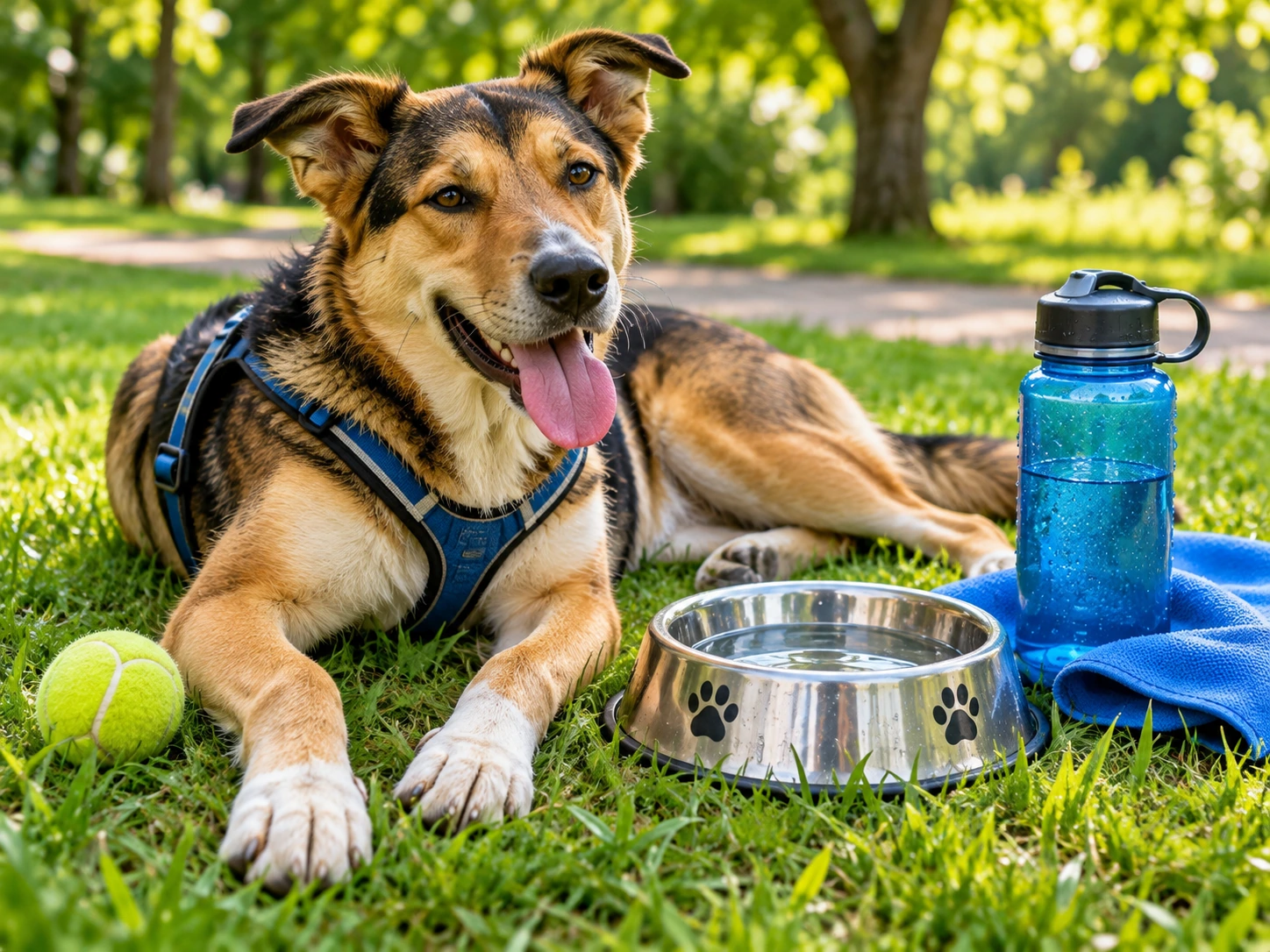
Watch for signs such as:
- Unusual or prolonged tiredness.
- Limping or reluctance to move.
- Excessive panting that does not settle with rest.
- Slowing down or repeatedly stopping during activity.
- Unwillingness to continue playing or walking.
Stop the activity if your dog appears distressed or uncomfortable and provide an opportunity to rest in a cool, comfortable place.
Difficulty breathing, collapse, or signs of heatstroke require urgent veterinary attention.
How To Create A Healthy Daily Exercise Routine
A good exercise routine should be realistic, consistent, and adapted to your dog’s individual needs. You do not need complicated equipment or an elaborate schedule to provide meaningful daily activity.
Build Activity Gradually
If your dog is not accustomed to regular exercise, avoid suddenly increasing the duration or intensity of walks. Gradual changes allow the body to adapt and help reduce the risk of injury.
Combine Physical And Mental Activities
Physical exercise is important, but mental enrichment should also be part of everyday life. Training, scent games, and interactive toys provide opportunities for learning and exploration.
Allow Enough Time For Rest
Rest is an essential part of a healthy routine. Puppies, senior dogs, and dogs recovering from illness may need additional rest periods.
Adjust Activities To Weather Conditions
Hot weather can increase the risk of overheating, particularly for short-nosed breeds. During warm conditions, choose cooler times of day, reduce exercise intensity, and provide access to fresh water.
Monitor Your Dog’s Response
Observe your dog’s energy, comfort, mobility, and enthusiasm. If an activity repeatedly causes discomfort or excessive fatigue, adjust the routine and seek veterinary advice when necessary.
Exercise Safety Tips Every Dog Owner Should Know
Before starting a new exercise routine, consider your dog’s health and physical abilities. The following precautions can help make daily activities safer:
- Consult your veterinarian before introducing strenuous activities.
- Increase exercise duration and intensity gradually.
- Avoid strenuous activity during extreme heat or humidity.
- Provide access to clean drinking water.
- Choose safe walking routes and suitable surfaces.
- Use appropriate collars, harnesses, and leads.
- Avoid intense exercise immediately after meals.
- Supervise swimming and outdoor play.
- Allow sufficient rest between demanding activities.
- Never force a tired, uncomfortable, or injured dog to continue exercising.
Frequently Asked Questions About Dog Exercise
How much exercise does a dog need every day?
Exercise requirements vary according to age, breed, health, and fitness. Some adult dogs may be comfortable with around 30 minutes of activity, while more energetic breeds may need one to two hours or more. A veterinarian can help determine an appropriate routine for your individual dog.
Is one walk a day enough for a dog?
It depends on the dog’s individual needs. Some dogs may benefit from one longer walk combined with play and enrichment, while others need multiple walks and additional activities throughout the day.
Do puppies need daily exercise?
Yes. Puppies need regular opportunities for gentle play, exploration, and age-appropriate activity. However, their developing bodies require plenty of rest, and strenuous or prolonged exercise should be avoided.
Do older dogs still need exercise?
Yes. Senior dogs benefit from regular movement, but their activities should be adapted to their mobility, stamina, and medical conditions. Short walks and gentle activities may be more suitable than demanding exercise.
Can playing indoors replace walking a dog?
Indoor games provide useful physical and mental stimulation, but they do not fully replace outdoor walks for most dogs. Walks offer opportunities to explore different environments, experience new scents, and enjoy natural surroundings.
Which dog breeds need the most exercise?
Working and herding breeds such as Border Collies, Australian Shepherds, and Siberian Huskies often have substantial activity requirements. However, individual health, age, fitness, and temperament should always be considered.
Can dogs get too much exercise?
Yes. Excessive exercise can cause fatigue, discomfort, overheating, and injuries. Watch your dog’s behavior and physical condition, provide rest periods, and adjust activities to its individual abilities.
Does mental stimulation count as exercise for dogs?
Mental stimulation is an important part of a dog’s daily routine, although it does not completely replace physical activity. Training, puzzle feeders, and scent games complement regular walks and play.
Final Thoughts: Give Your Dog The Right Amount Of Daily Exercise
Understanding your dog’s exercise requirements is an important part of responsible pet ownership. Regular physical activity supports a healthy body, encourages mental stimulation, and provides valuable opportunities for bonding and exploration.
However, the ideal routine is not determined by a single number. Puppies, adult dogs, and senior pets have different needs, while breed characteristics, medical conditions, and individual fitness levels also influence how much activity is appropriate.
Focus on consistency, variety, and your dog’s comfort. Combine suitable walks with interactive play, mental enrichment, and enough time to rest. If you are uncertain about your dog’s exercise needs, consult a veterinarian for personalized guidance.
For more practical advice on responsible dog ownership, nutrition, grooming, and everyday care, explore our Ultimate Dog Care Guide for Beginners.
Veterinary And Educational References
- PDSA: How Much Exercise Does Your Dog Need?
- American Kennel Club (AKC): How Much Exercise Does a Dog Need?
- VCA Animal Hospitals: Healthy Exercise for Dogs
- American Animal Hospital Association (AAHA): Canine Life Stage Guidelines
Disclaimer: This article is intended for general educational purposes only. It does not replace professional veterinary advice, examination, or treatment. Always consult a qualified veterinarian before making significant changes to your dog’s exercise routine, particularly if your pet is young, elderly, overweight, injured, or has an existing medical condition.