Table of Contents
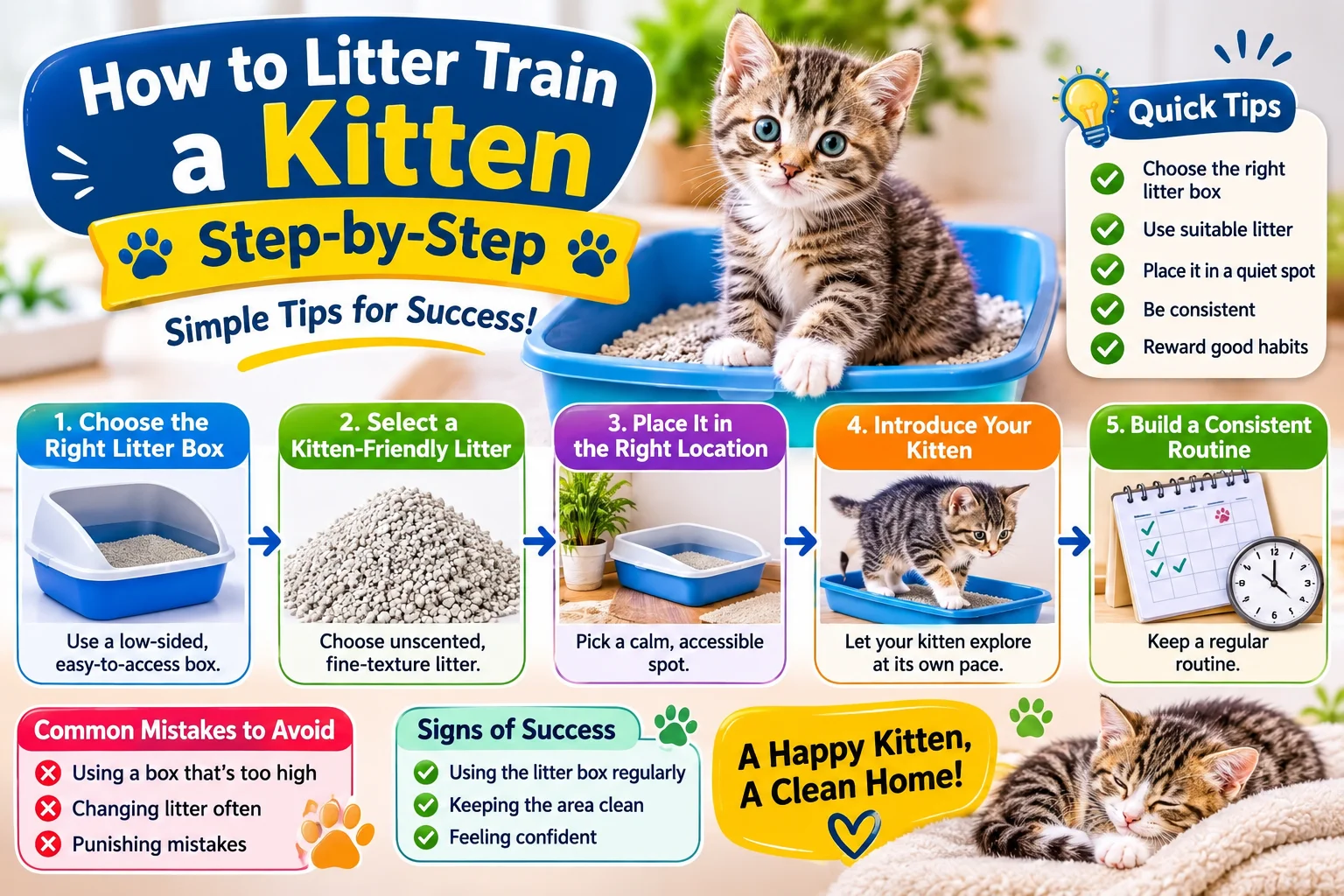
- How To Litter Train A Kitten Step-by-Step
- When Should You Start Litter Training A Kitten?
- Step 1: Choose The Right Litter Box
- Step 2: Select A Kitten-Friendly Cat Litter
- Step 3: Put The Litter Box In The Right Location
- Step 4: Introduce Your Kitten To The Litter Box
- Step 5: Build A Consistent Litter Training Routine
- Step 6: Keep The Litter Box Clean
- Step 7: What To Do When Your Kitten Has An Accident
- Why Is My Kitten Not Using The Litter Box?
- When Should You Contact A Veterinarian?
- How Long Does It Take To Litter Train A Kitten?
- Common Litter Training Mistakes To Avoid
- Frequently Asked Questions About Kitten Litter Training
- Final Thoughts
How To Litter Train A Kitten Step_by_Step
Bringing a kitten home is exciting, but helping your new companion develop good bathroom habits is an important part of responsible cat care. The good news is that most kittens can learn to use a litter box with the right setup, a little patience, and a consistent routine.
If you want to know how to litter train a kitten, start by creating a comfortable, accessible place for your kitten to eliminate. Choose a suitable litter box, introduce it gently, and reward good habits without punishment. This step-by-step guide explains how to get started, avoid common mistakes, and recognize when a litter box problem may need veterinary attention.
When Should You Start Litter Training A Kitten?
Kittens often begin learning to use a litter box when they are around three to four weeks old. At this age, they are becoming more mobile and starting to explore their surroundings. Very young kittens may still need help from their mother or a caregiver with elimination, so their needs differ from those of older kittens.
If you adopt a kitten that is already eating solid food and moving around independently, you can usually introduce a litter box as soon as the kitten arrives home. Some kittens understand what to do almost immediately, while others need time and repeated opportunities.
Keep in mind that a kitten’s age, previous environment, health, and experience with litter can affect how quickly the habit develops. Focus on making the litter box easy to find and comfortable to use rather than expecting immediate perfection.
Step 1: Choose The Right Litter Box
The right litter box can make training much easier. A kitten needs a box that is easy to enter, provides enough room to move around, and feels safe.
Choose A Low_Sided Box
For a small kitten, select a box with a low entrance so it can climb in and out without difficulty. As your kitten grows, you can move to a larger box that offers enough space to turn around, dig, and cover waste comfortably.
Start With An Open Litter Box
An uncovered box is often a useful starting point because it allows a kitten to see its surroundings and enter or leave easily. Some cats eventually prefer covered boxes, but a cover can feel restrictive to others. Watch your kitten’s behavior and choose the design it uses comfortably.
Consider The Number Of Litter Boxes
For one cat, a common guideline is to provide one litter box per cat plus one extra. In a home with several floors, placing a box on each frequently used level can also help. For a new kitten, having a box nearby makes it easier to reach the right place in time.
Step 2: Select A Kitten_Friendly Cat Litter
The texture, scent, and material of the litter can influence whether your kitten accepts the box. When possible, find out what type of litter the kitten used before adoption and begin with a similar product. Familiarity can make the transition easier.
Choose A Simple, Unscented Litter
Many cats prefer unscented litter because strong fragrances can be unpleasant to their sensitive noses. A soft, fine texture may also be appealing because it allows cats to dig and cover waste naturally.
For very young kittens, ask your veterinarian or adoption organization about an appropriate litter. Young animals may investigate litter with their mouths, so avoid products that are unsuitable for their age or could create a problem if swallowed.
Avoid Frequent Changes
Switching litter types repeatedly can make it harder to identify what your kitten prefers. Start with one suitable option and observe how your kitten responds. If you need to change products, introduce the new litter gradually when practical.
Step 3: Put The Litter Box In The Right Location
Location matters. Even a well-chosen litter box may go unused if it is difficult to reach or placed somewhere noisy or stressful.
- Choose a quiet area: Place the box somewhere calm, away from loud appliances and busy walkways.
- Keep it accessible: Make sure the kitten can reach the box without climbing stairs or navigating obstacles it cannot manage.
- Separate it from food and water: Place feeding and drinking stations away from the litter box.
- Avoid sudden relocation: Keep the box in a consistent place while your kitten is learning.
- Provide more than one option when needed: A large home may require multiple boxes so the kitten can reach one quickly.

If your kitten spends its first few days in one room, place the litter box there along with bedding, food, water, toys, and a suitable hiding place. Keep the box separated from the feeding and sleeping areas. Once your kitten is using it reliably, gradually allow access to more of the home.
Step 4: Introduce Your Kitten To The Litter Box
When your kitten first arrives, show it where the litter box is. Set the kitten down near the box and allow it to investigate at its own pace. It may sniff the litter, step inside, or dig. Give it time to explore without pressure.
You can also gently place your kitten in the box after it wakes up or following a meal, as these are common times when kittens may need to eliminate. If the kitten wants to leave, let it do so and try again later.
Never force your kitten to remain in the box. Holding it there or pushing its paws into the litter can create fear and make the box less appealing. The goal is to help your kitten associate the area with a normal, comfortable bathroom routine.
Step 5: Build A Consistent Litter Training Routine
A predictable routine helps your kitten find the litter box before an accident happens. During the early days, pay attention to your kitten’s daily patterns and make the box easy to reach.
Offer Litter Box Opportunities At Helpful Times
- After your kitten wakes up from a nap.
- After meals, when it may need to eliminate.
- After active play, if you notice signs that it needs the box.
- Whenever it starts sniffing the floor, circling, or searching for a place to go.
These are opportunities rather than strict rules. Kittens have individual habits, so observe your pet and adjust the routine accordingly.
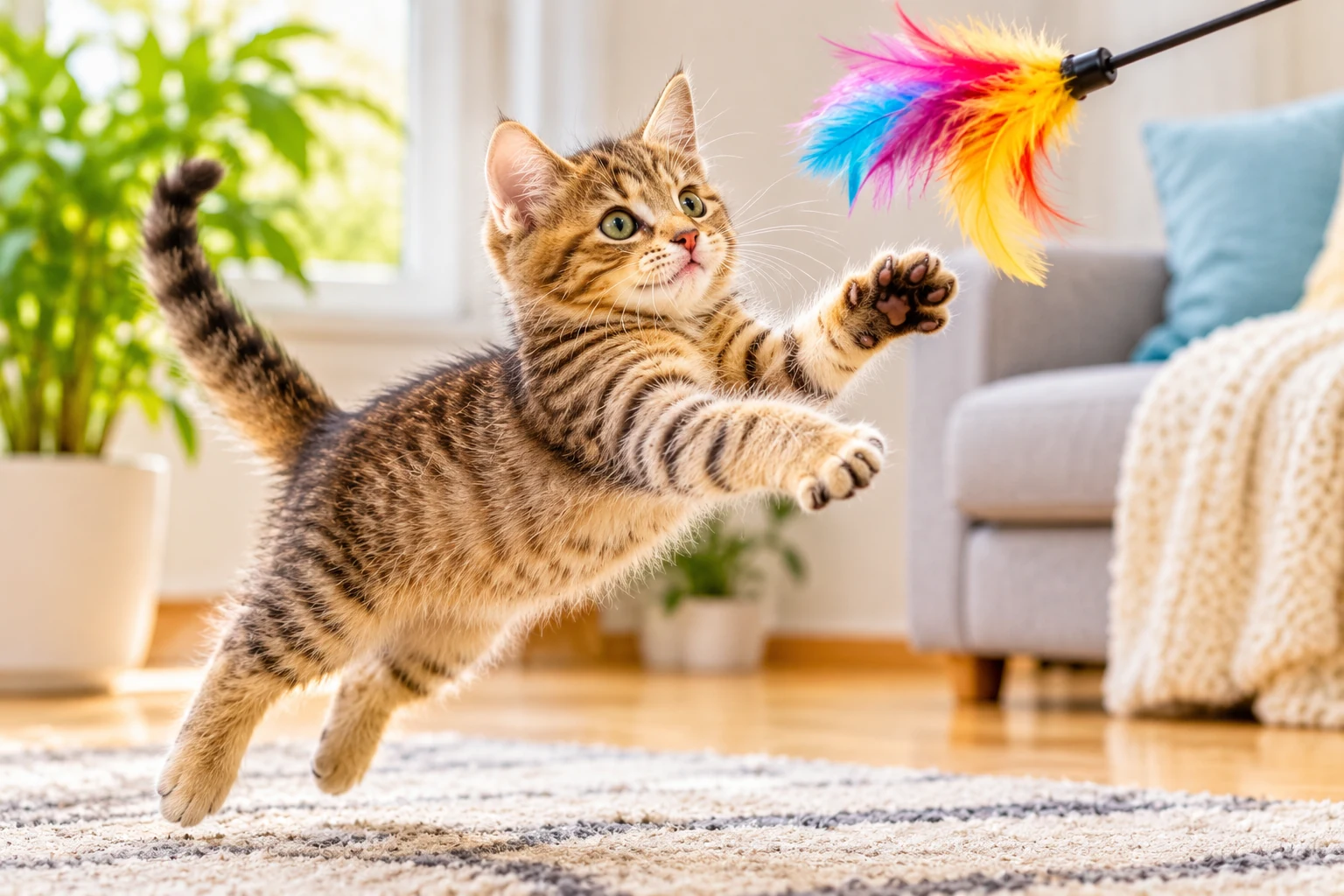
Reward Calm, Appropriate Behavior
When your kitten uses the litter box, allow it to finish without interruption. You can offer gentle praise afterward if your kitten responds comfortably to attention. The important thing is to make the experience positive and stress-free.
Avoid shouting, startling your kitten, or punishing accidents. Punishment does not teach a kitten where it should go and may cause it to hide when it needs to eliminate.
Step 6: Keep The Litter Box Clean
Cats often avoid dirty litter boxes, so regular cleaning is an essential part of successful training. A clean box also helps you notice changes in your kitten’s urine or stool.
- Scoop frequently: Remove waste at least daily, and more often when needed.
- Refresh the litter: Follow the product’s instructions for replacing litter and maintaining the appropriate depth.
- Wash the box regularly: Use mild, cat-safe cleaning products and rinse thoroughly.
- Avoid strong fragrances: Heavily scented cleaners can discourage some cats from using the box.
- Clean accidents thoroughly: Use a suitable enzymatic cleaner designed for pet messes, following its label directions.
Do not mix cleaning products, particularly products containing bleach and ammonia. Follow the safety directions on all cleaners and keep them away from your kitten.
Step 7: What To Do When Your Kitten Has An Accident
Accidents can happen while a kitten is learning, especially after moving to a new home. Respond calmly, clean the area thoroughly, and look for a reason the box may have been difficult to use.
Clean The Area Properly
Remove the mess and clean the affected surface with an appropriate pet-safe product. Lingering odors may encourage a kitten to return to the same spot, so follow the cleaner’s instructions carefully.
Review The Litter Box Setup
Ask yourself whether the box is easy to reach, clean, and comfortable. It may be too far away, have sides that are too high, contain litter the kitten dislikes, or be placed somewhere noisy. Correcting the setup may help prevent repeated accidents.
Limit Access To Difficult Areas Temporarily
While your kitten is learning, keep it in a comfortable, kitten-proofed area where the litter box is easy to find. Provide room to play, rest, eat, drink, and explore safely. Gradually expand access to the rest of the home as your kitten becomes more familiar with its surroundings.
Do not rub your kitten’s nose in an accident or scold it afterward. Instead, focus on prevention, cleanliness, and a more suitable litter box setup.
Why Is My Kitten Not Using The Litter Box?
If your kitten repeatedly avoids the litter box, do not assume it is simply being stubborn. There may be a practical, environmental, or medical reason for the behavior.
Common Reasons For Litter Box Problems
- The box is difficult to enter: A young or small kitten may struggle with high sides.
- The box is dirty: Waste buildup or unpleasant odors can discourage use.
- The location feels unsafe: Noise, frequent interruptions, or a nearby pet may make the kitten uncomfortable.
- The litter is unfamiliar: A strong fragrance or different texture may put the kitten off.
- The kitten has too much space too soon: It may not yet know where the litter box is in every part of the home.
- There is a health problem: Pain, digestive upset, urinary problems, or other medical conditions can affect litter box habits.
Review the setup and make sure the box is clean and accessible. If the problem continues, arrange a veterinary appointment rather than repeatedly changing products or assuming the behavior will resolve on its own.
When Should You Contact A Veterinarian?
Occasional accidents during training are not always a sign of illness. However, a sudden change in litter box behavior or signs of discomfort deserve attention.
Contact a veterinarian promptly if your kitten has persistent diarrhea, blood in its urine or stool, pain while eliminating, repeated straining, or a noticeable change in how often it urinates.
Repeated attempts to urinate with little or no urine can indicate a medical emergency. Seek urgent veterinary care, especially if your kitten appears distressed. Do not wait for litter training to improve before getting help.
How Long Does It Take To Litter Train A Kitten?
Many kittens begin using a litter box quickly when it is easy to access and kept clean. However, there is no exact timetable that applies to every kitten. Some learn within a short period, while others need more time to adjust to their new home or become comfortable with the box.
Progress may depend on the kitten’s age, previous experience, health, environment, and the consistency of its routine. Rather than focusing on a deadline, look for steady improvement: your kitten can find the box, uses it more consistently, and has fewer accidents.
If your kitten was previously using a box reliably but suddenly stops, or if accidents continue despite an appropriate setup, consult your veterinarian to rule out medical causes.
Common Litter Training Mistakes To Avoid
A few simple mistakes can make litter training more difficult. Avoid the following habits while your kitten is learning:
- Choosing a box that is too large or difficult to enter: Make sure it suits your kitten’s current size and ability.
- Placing the box near food or water: Keep bathroom and feeding areas separate.
- Cleaning too infrequently: Scoop waste regularly and maintain the box.
- Using strong scents: Fragranced litter and cleaners may be unpleasant for some cats.
- Changing the setup too often: Keep the box and litter consistent while your kitten adjusts.
- Punishing accidents: Fear and stress can make the problem worse.
- Ignoring possible illness: Changes in elimination can be a sign of a medical problem.
Frequently Asked Questions About Kitten Litter Training
Can you litter train a kitten easily?
Many kittens learn to use a litter box naturally, especially when they have access to a clean, suitable box. Introduce it gently, keep it accessible, and maintain a consistent routine. Some kittens need extra time and patience.
At what age can kittens start using a litter box?
Kittens often begin learning around three to four weeks of age. Very young kittens may need additional care, so ask a veterinarian or experienced rescue caregiver about the appropriate approach for their age and development.
Should I put my kitten in the litter box after every meal?
You can offer your kitten the opportunity to use the box after meals, naps, and play sessions. Let your kitten leave freely if it does not need to go, and avoid forcing it to stay inside.
Why does my kitten poop outside the litter box?
Possible reasons include an inaccessible or dirty box, an unpleasant litter type, stress, or a medical problem. Check the setup and arrange a veterinary assessment if the issue persists or your kitten shows signs of discomfort.
Should I punish my kitten for litter box accidents?
No. Punishment can make your kitten fearful and does not teach it where to eliminate. Clean the area thoroughly, review the litter box setup, and reward calm, appropriate behavior.
How often should I clean my kitten’s litter box?
Scoop out waste at least once a day and more often when necessary. Replace the litter and wash the box regularly according to the litter product’s instructions. A clean box is more inviting and makes it easier to notice changes in your kitten’s elimination habits.
Final Thoughts
Learning how to litter train a kitten is mainly about providing the right environment and allowing your kitten time to develop a reliable habit. Start with an accessible box, choose a suitable litter, keep the area clean, and maintain a calm, predictable routine.
Remember that accidents are an opportunity to review the setup, not a reason to punish your kitten. With patience and positive guidance, many kittens develop good litter box habits. If your kitten repeatedly avoids the box or shows signs of pain or difficulty eliminating, seek advice from a veterinarian.
For more advice on feeding, grooming, health, and everyday feline care, read our Complete Cat Care Guide.