
Table of Contents
- History Of Domesticated Pets: How Animals Became Our Companions
- How Did The Human-Animal Bond Begin?
- 1. Dogs: Among The First Domesticated Animal Companions
- 2. Cats: From Wild Hunters To Beloved Household Pets
- 3. Horses And Other Domesticated Animals
- 4. The Importance Of Pets In Modern Life
- 5. Domestication Vs. Taming: What Is The Difference?
- The Human-Animal Bond Through History
- Frequently Asked Questions About Pet Domestication
History Of Domesticated Pets: How Animals Became Our Companions
From the ancient relationship between humans and wolves to the dogs, cats, birds, and other animals that share our homes today, the history of domesticated pets reveals how animals became an important part of human life. Over thousands of years, relationships between humans and animals have transformed through adaptation, cooperation, and changing lifestyles, creating the remarkable human-animal bond we know today.
How Did The Human_Animal Bond Begin?
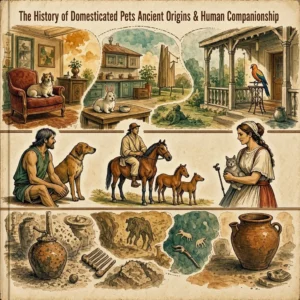
The history of animal domestication began thousands of years ago, when early human communities interacted with wild animals for food, protection, hunting, and other practical purposes. Over time, some animals became increasingly adapted to human environments, while people learned to benefit from their abilities and behaviors.
Domestication is a gradual process involving inherited changes across generations as animal populations adapt to living alongside humans. It is different from taming, which involves changing the behavior
of an individual animal. Although these terms are sometimes confused, understanding the difference helps explain how domestic animals developed from their wild ancestors.
Dogs, cats, horses, cattle, sheep, and goats followed different paths toward domestication. Some were initially valued for hunting, transportation, food production, or protection, while others developed
closer associations with people through shared environments. These relationships influenced agriculture, trade, culture, and the way humans interact with animals today.
1. Dogs: Among The First Domesticated Animal Companions
Dogs have one of the oldest known histories of domestication. They descended from ancient wolf populations, although scientists continue to investigate exactly when, where, and how this transformation occurred. Archaeological evidence shows that dogs lived alongside humans thousands of years before farming became widespread.
How Did Wolves Become Domestic Dogs?
Early relationships between humans and wolves may have developed around shared food resources. Wolves could have benefited from food remains near human settlements, while people may have gained advantages
from the animals’ ability to detect danger or locate prey. Over many generations, interactions between humans and certain wolf populations may have contributed to the emergence of domestic dogs.
As the relationship developed, dogs became valuable partners in hunting, guarding, herding, and other activities. Later, selective breeding produced dogs with different physical characteristics, emperaments,
and working abilities.
Why Are Dogs Important To Humans Today?
Modern dogs serve many roles beyond companionship. Depending on their training and individual abilities, they may work as assistance dogs, search-and-rescue animals, livestock guardians, and detection dogs. Millions of people also welcome dogs into their homes as trusted companions and members of the family.
The development of dogs from ancient wolf populations into the diverse breeds and types we know today illustrates the long-lasting influence of the human-animal bond.
2. Cats: From Wild Hunters To Beloved Household Pets
The domestication of cats developed alongside early agricultural communities in the Near East. When humans began cultivating and storing grain, mice and other rodents gathered around food supplies. Wild cats were attracted by these prey animals, creating opportunities for cats and people to live closer together.
How Agriculture Influenced Cat Domestication
Cats appear to have established their early relationship with humans largely through their natural hunting behavior. By preying on rodents around settlements and food stores, cats benefited human communities while gaining access to reliable sources of prey.
Archaeological discoveries offer evidence of these early connections. A well-known burial in Cyprus, dating to approximately 9,500 years ago, contained a human and a cat buried close together. This discovery indicates that cats and humans had a meaningful association by that time, although it does not establish the exact beginning of cat domestication.
Why Do Cats Remain Popular Pets?
Domestic cats retain many behaviors associated with their wild ancestors, including stalking, pouncing, climbing, and exploring. Their personalities vary considerably, but many cats enjoy interacting with people while maintaining a degree of independence.
Today, cats are valued for their companionship, curiosity, and distinctive behavior. Understanding their hunting instincts, communication signals, and environmental needs allows owners to provide appropriate care and create a safe, stimulating home.
3. Horses And Other Domesticated Animals
Animal domestication transformed human societies, and horses became particularly important for transportation, trade, communication, and warfare. Their strength and mobility helped people travel farther and move goods across large distances. In many regions, horses also contributed to agricultural work and cultural traditions.
The History Of Horse Domestication
The origins of modern domestic horses are complex. Archaeological and genetic research has revealed that the history of human-horse relationships involved several stages. Although people managed horses
in ancient Central Asia, modern domestic horses descend primarily from a lineage that expanded from the western Eurasian steppes around the end of the third millennium BCE and the beginning of the second
millennium BCE.
Over time, horses became essential partners in travel, trade, farming, and numerous cultural activities. Today, they remain important in recreation, competitive sports, equestrian traditions, and certain working roles.
Cattle, Sheep, And Goats: Essential Livestock Animals
Cattle, sheep, and goats were domesticated as early farming communities developed. These animals provided meat, milk, hides, wool, and other valuable resources. Their management supported more settled lifestyles and helped communities establish reliable food supplies.
Selective breeding gradually produced livestock with characteristics suited to different environments and human needs. These developments influenced agriculture, trade, and the growth of many early societies. Unlike companion animals kept primarily for social interaction, livestock traditionally played a central role in food production and agricultural economies.
Birds, Rabbits, And Small Mammals As Companion Animals
Birds and small mammals have also become familiar household companions. Parrots, canaries, and other birds may be valued for their vocalizations, appearance, and behavior. Rabbits and guinea pigs can develop positive relationships with patient caregivers, while hamsters are popular because of their small size and distinctive habits.
The domestication histories of these animals differ by species. Some were originally raised for food or other practical purposes, while others became popular as companion animals more recently. Regardless of their role, each species requires appropriate housing, nutrition, enrichment, and veterinary care.
4. The Importance Of Pets In Modern Life
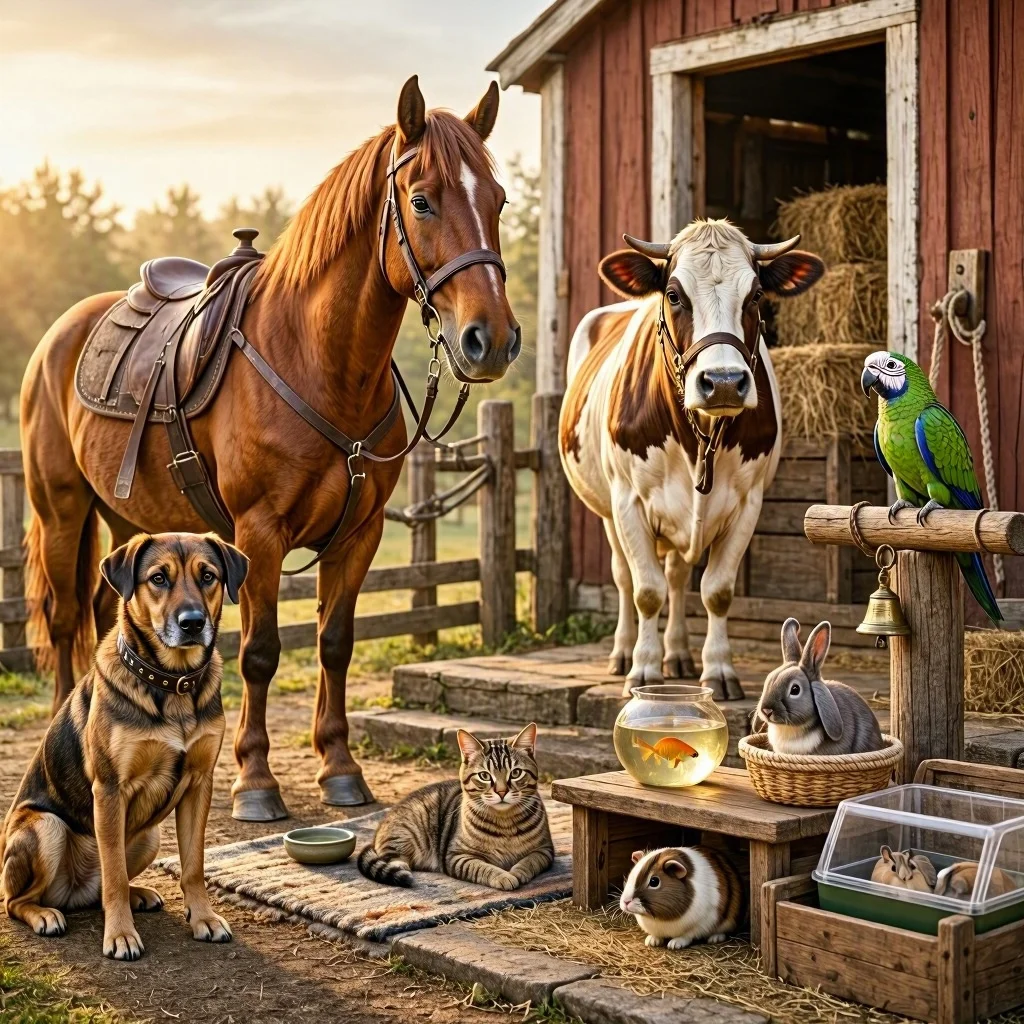
Today, pets are considered important members of many households. Dogs, cats, birds, rabbits, and other companion animals can provide friendship, enjoyment, and opportunities for social interaction. Caring for an animal can also encourage daily routines and create opportunities for people to connect with others.
The Emotional And Social Benefits Of Pets
Many people develop strong emotional attachments to their pets. Spending time with a companion animal can bring comfort and enjoyment, although the effects on well-being differ between individuals and circumstances. A healthy relationship should support the welfare of both the animal and its caregiver.
Living with a pet also requires patience, consistency, and awareness of another living creature’s needs. Animals should be treated as individuals with their own behavioral, physical, and environmental
requirements rather than simply as sources of entertainment.
What Does Responsible Pet Ownership Involve?
Responsible pet ownership begins with understanding an animal’s behavior, lifespan, nutritional requirements, and health needs. Before adopting or purchasing a pet, prospective owners should consider whether they can provide suitable care, adequate space, and the financial resources required throughout the animal’s life.
- Provide species-appropriate food and continuous access to fresh water.
- Arrange appropriate veterinary examinations and preventive care.
- Create a safe environment with suitable shelter, space, and enrichment.
- Support natural behaviors through exercise, exploration, and mental stimulation.
- Learn to recognize signs of stress, illness, discomfort, and behavioral changes.
- Make a long-term commitment to the animal’s welfare and daily needs.
Every species has different requirements. Parrots, for example, often need substantial social interaction and mental stimulation, while rabbits require suitable space, a fiber-rich diet, and opportunities to exercise. Understanding these differences is essential for responsible and compassionate animal care.
5. Domestication Vs. Taming: What Is The Difference?
Domestication and taming are related but distinct concepts. Domestication involves inherited changes across generations as animal populations adapt to human environments and selective pressures.
Taming refers to changing the behavior of an individual animal through experience and interaction with people.
A wild animal may become accustomed to human presence without becoming domesticated. Similarly, domestic animals can retain instincts and behaviors inherited from their wild ancestors. Recognizing this difference is important when considering animal welfare, wildlife conservation, and the responsibilities involved in keeping animals in captivity.
Wild animals are not automatically suitable household pets. Their specialized diets, social structures, space requirements, and behavioral needs may be difficult to meet in a domestic setting. Some species are also protected by wildlife laws or require specialized facilities and permits.
The Human_Animal Bond Through History
The history of domesticated pets reflects thousands of years of adaptation, cooperation, and changing human needs. From the early relationships between humans and wolf populations to the close connections people share with dogs, cats, birds, and other companion animals, domestication has played an important role in societies around the world.
Not every domesticated animal became a household companion, and different species followed their own evolutionary and cultural paths. Nevertheless, animals have shaped human life through companionship,
agriculture, transportation, and many other contributions.
Understanding the origins and natural behaviors of our animal companions helps us appreciate them beyond their appearance or usefulness. By respecting their needs, providing appropriate care,
and making responsible choices, we can help maintain a positive human-animal bond for generations to come.
Frequently Asked Questions About Pet Domestication
What Was the First Animal Domesticated by Humans?
Dogs are widely recognized as the earliest domesticated animals. They descended from ancient wolf populations, and evidence of dogs living alongside humans predates the widespread development of agriculture.
When Did Cats Become Domesticated Pets?
The relationship between cats and humans developed alongside early agricultural communities in the Near East. Archaeological evidence from Cyprus indicates that cats and humans were closely associated approximately 9,500 years ago, although the precise timeline of cat domestication remains complex.
Why Did Humans Domesticate Animals?
Humans domesticated different species for various reasons, including hunting assistance, protection, food production, transportation, and access to useful materials. Over time, some animals also became valued primarily for companionship.
What Is the Difference Between Wild and Domesticated Animals?
Domesticated animals belong to populations that have undergone inherited changes over generations through their association with humans. Wild animals generally live independently of domestication.
Taming an individual wild animal does not make its species domesticated.
Why Is Understanding the History of Pets Important?
Learning about domestication helps people understand animal behavior, inherited instincts, and species-specific needs. This knowledge encourages more informed decisions about pet ownership and supports better animal welfare.
Are All Domesticated Animals Suitable as Household Pets?
No. Domestication does not automatically make an animal suitable for every household. Different species have specific space, nutritional, social, behavioral, and veterinary requirements.
Prospective owners should research these needs before bringing an animal home.