Table of Contents
- Ultimate Dog Care Guide For Beginners: Essential Tips For A Healthy And Happy Dog
- What Does Dog Care For Beginners Include Every Day?
- How To Prepare Your Home For A Dog
- How To Feed Your Dog Properly
- Why Fresh Water Is Important For Dogs
- How Much Exercise Does A Dog Need?
- Dog Grooming And Hygiene: Essential Care Tips
- Dog Training And Socialization For Beginners
- Mental Stimulation And Enrichment For Dogs
- Veterinary Care And Preventive Health For Dogs
- How To Keep Your Dog Safe At Home And Outdoors
- Dog Care Tips According To Age
- Common Dog Care Mistakes Every Beginner Should Avoid
- A Simple Daily Dog Care Routine For Beginners
- Complete Dog Care Checklist For Beginners
- Frequently Asked Questions About Dog Care For Beginners
- Final Thoughts: Building A Healthy Dog Care Routine
- References For Further Reading
Ultimate Dog Care Guide For Beginners: Essential Tips For A Healthy And Happy Dog
Learning dog care for beginners can feel overwhelming at first, but taking care of a dog becomes much easier when you understand the basics. Dogs need appropriate nutrition, fresh water, regular exercise, grooming, training, mental stimulation, a safe home, and preventive veterinary care.
Whether you are bringing home your first puppy or adopting an adult dog, understanding these responsibilities will help you create a healthy and comfortable environment for your companion.
This comprehensive guide explains how to take care of a dog, establish a practical daily routine, choose appropriate supplies, maintain good hygiene, and recognize when professional veterinary advice is necessary.
From feeding and exercise to training, socialization, and preventive health care, these practical dog care tips for beginners will help you become a more confident and responsible pet owner.
What Does Dog Care for Beginners Include Every Day?
Good dog care starts with meeting your dog’s basic physical and emotional needs consistently. Although individual requirements vary according to age, size, breed, health, and lifestyle, most dogs need a combination of nutrition, hydration, exercise, rest, companionship, training, and preventive health care.
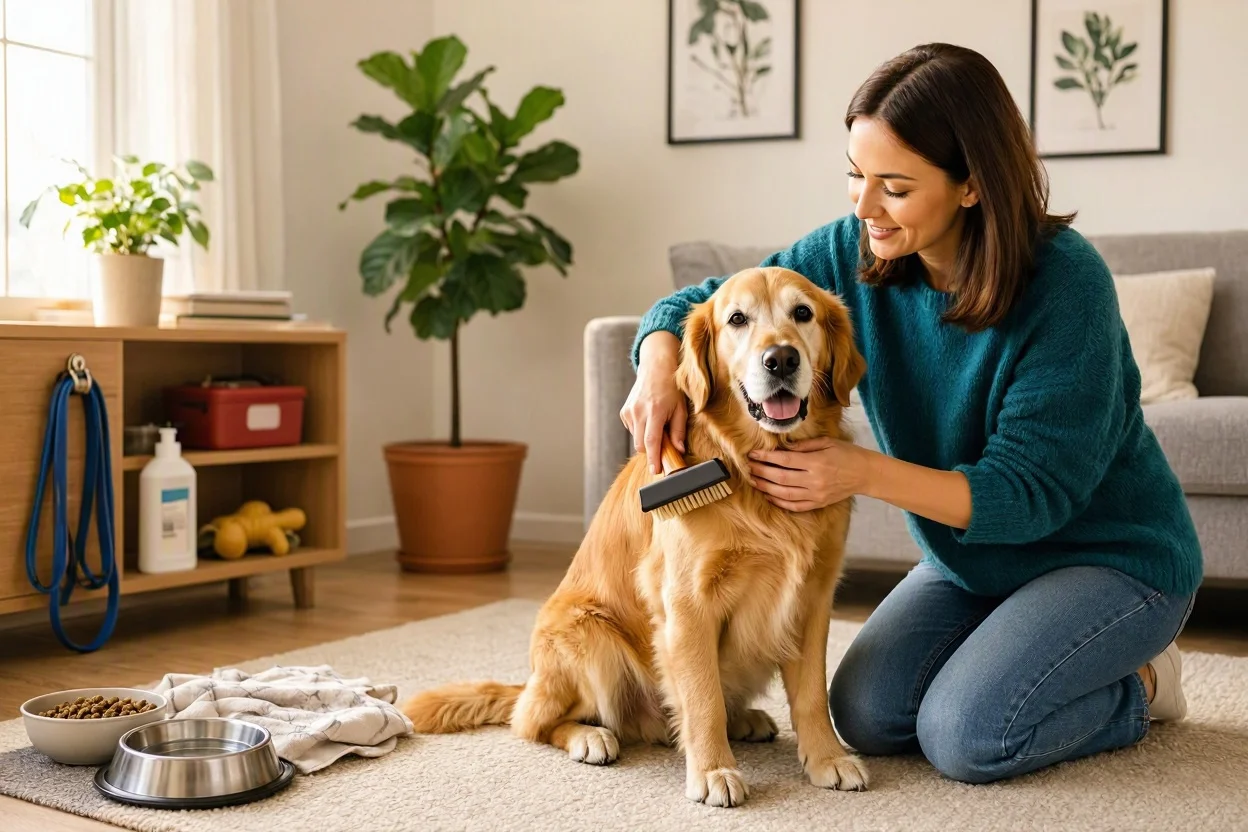
The most important daily dog care responsibilities include:
- Providing fresh and clean drinking water.
- Feeding appropriate and nutritionally balanced dog food.
- Offering regular physical activity and exercise.
- Providing mental stimulation and enrichment.
- Spending quality time together and offering companionship.
- Maintaining a clean and comfortable resting area.
- Checking basic grooming and hygiene needs.
- Practicing consistent and positive training.
- Monitoring your dog’s health and behavior.
- Maintaining a safe indoor and outdoor environment.
A consistent routine makes these responsibilities easier to manage. Rather than thinking about dog care as one large task, divide it into manageable daily, weekly, and periodic activities.
How to Prepare Your Home for a Dog
Before bringing a dog home, prepare a comfortable and safe environment. First-time dog owners should consider sleeping arrangements, feeding areas, exercise spaces, training supplies, and potential household hazards.
A well-prepared home can make the transition easier and help your dog feel secure.
Create A Comfortable Resting Area
Choose a quiet place where your dog can sleep and relax without being constantly disturbed. A suitable dog bed or crate can provide a comfortable resting area, depending on your dog’s needs and your training approach.
Keep the bedding clean and replace it when it becomes damaged or difficult to wash.
Remove Common Household Hazards
Dogs, especially puppies, may explore their surroundings by chewing or swallowing objects. Keep medications, cleaning products, electrical cords, small objects, and potentially harmful foods out of reach.
Secure trash cans, close doors, and use gates where necessary to prevent access to unsafe areas.
Prepare Essential Dog Supplies
Before your dog arrives, make sure you have the basic supplies needed for everyday care.
- Food and water bowls.
- Appropriate dog food.
- A collar or harness with an identification tag.
- A suitable leash.
- A comfortable dog bed or resting area.
- Age-appropriate toys.
- Basic grooming supplies.
- Waste bags and cleaning products.
- Training treats, when appropriate.
- A secure carrier or suitable travel restraint.
Preparing these items in advance can make your dog’s arrival more comfortable and help you establish a consistent routine.
How to Feed Your Dog Properly
Nutrition is one of the most important parts of dog health and care. Dogs need an appropriate diet that provides essential nutrients according to their life stage, size, activity level, and individual health requirements.
Choose Appropriate Dog Food
Puppies, adult dogs, and senior dogs may have different nutritional requirements. Choose a complete and balanced food formulated for your dog’s current life stage.
Large-breed puppies, for example, may need a specially formulated growth diet to support appropriate development.
If your dog has a medical condition or special nutritional needs, consult your veterinarian before choosing a diet.
Follow Feeding Recommendations
Use the feeding instructions on the dog food packaging as a starting point. However, remember that these recommendations are not exact requirements for every dog.
Adjust portions according to your dog’s body condition, activity level, age, and overall health. Measuring food consistently can also help prevent accidental overfeeding.
Be Careful With Human Foods
Some human foods are unsuitable or toxic to dogs. Chocolate, grapes, raisins, onions, garlic, and products containing xylitol are examples of foods that should be kept away from pets.
Treats should also be provided in moderation because frequent high-calorie snacks can contribute to excessive weight gain.
For additional information, visit the ASPCA General Dog Care Guide.
Why Fresh Water Is Important for Dogs
Fresh drinking water should always be available to your dog. Proper hydration supports normal body functions and is particularly important during hot weather, after exercise, and during periods of increased activity.
Place water bowls somewhere your dog can easily access them and clean them regularly.
Simple Water And Hydration Tips
- Provide fresh drinking water every day.
- Wash water bowls regularly.
- Take water with you during longer outdoor activities.
- Pay extra attention to hydration during hot weather.
- Make sure your dog can access water after exercise.
- Monitor unusual changes in drinking behavior.
Dogs that suddenly drink much more or much less than usual may require veterinary assessment, particularly when other symptoms are present.
How Much Exercise Does a Dog Need?
Regular exercise helps dogs maintain a healthy body condition, develop physical fitness, and enjoy a more stimulating daily routine.
However, there is no single exercise schedule suitable for every dog. Activity requirements vary according to breed or breed mix, age, health, fitness, temperament, and lifestyle.
Puppies and senior dogs may need different types and amounts of exercise compared with healthy adult dogs.
Examples Of Daily Dog Activities
- Walking and exploring outdoors.
- Gentle play sessions.
- Retrieving games.
- Sniffing and exploration activities.
- Short training sessions.
- Interactive food puzzles.
- Age-appropriate outdoor activities.
Start gradually when introducing a new activity. Avoid forcing your dog to continue exercising when they show signs of exhaustion, pain, overheating, or distress.
Exercise Recommendations by Life Stage
Dogs have different exercise needs depending on their life stage. The following table outlines general exercise considerations and practical tips for each stage.
| Dog’s Life Stage | Exercise Considerations | Practical Tips |
|---|---|---|
| Puppies | Short, controlled, age-appropriate activities. | Allow exploration, play, rest, and gradual development. |
| Adult Dogs | Regular activity based on breed, health, and fitness. | Combine walks, play, training, and enrichment. |
| Senior Dogs | Gentle activities adapted to mobility and health. | Consider shorter walks, comfortable surfaces, and additional rest. |
The goal is to provide enough appropriate activity to support your dog’s health without exceeding their physical abilities.
Dog Grooming and Hygiene: Essential Care Tips
Grooming is an important part of everyday dog care. It helps keep your dog clean, supports coat health, and allows you to notice changes in the skin, ears, paws, nails, and mouth.
The frequency of grooming depends on your dog’s coat type, lifestyle, and individual needs.
Brushing Your Dog
Regular brushing helps remove loose hair, reduce tangles, and prevent mats.
Some dogs require frequent brushing, particularly those with long or thick coats, while short-haired dogs may need less frequent grooming.
Choose a brush suitable for your dog’s coat type.
Bathing Your Dog
Bathing frequency should depend on your dog’s coat, lifestyle, and individual needs.
Use shampoos specifically formulated for dogs rather than household cleaning products. Avoid excessive bathing if it causes skin dryness or irritation.
Nail Trimming
Overgrown nails can become uncomfortable and may interfere with normal movement.
Check your dog’s nails regularly and trim them when necessary. If you are unsure how to trim them safely, ask your veterinarian or professional groomer to demonstrate the correct technique.
Ear Cleaning
Check your dog’s ears regularly for unusual odors, discharge, redness, or irritation.
Avoid inserting cotton swabs deeply into the ear canal. Contact your veterinarian if you notice signs of infection or discomfort.
Dental Care
Dental hygiene is an essential part of long-term dog health.
Periodontal disease is among the most common health problems in dogs, and research indicates that a large proportion of dogs develop some degree of dental disease as they age.
Regular tooth brushing with dog-safe toothpaste, appropriate dental products, and veterinary dental assessments can help maintain oral health.
If you notice persistent bad breath, bleeding gums, difficulty chewing, or changes in eating habits, consult your veterinarian.
Dog Training and Socialization for Beginners
Training is not only about teaching commands. It helps dogs understand household routines, communicate with people, and develop appropriate behaviors.
Consistent training can also make everyday activities such as walking, grooming, and veterinary visits easier.
Use Positive Reinforcement
Reward-based training encourages behaviors you want your dog to repeat.
Rewards may include:
- Small training treats.
- Favorite toys.
- Verbal praise.
- Playtime.
- Attention and affection.
Keep training sessions short and consistent. Teaching one simple behavior at a time is often more effective than expecting your dog to learn everything in one long session.
Teach Basic Dog Commands
Some useful beginner commands include:
- Sit: Encourages your dog to sit calmly.
- Stay: Helps your dog remain in one place until released.
- Come: Encourages your dog to return when called.
- Leave it: Helps prevent interaction with potentially dangerous objects.
- Drop it: Encourages your dog to release something they are holding.
Practice in a calm environment before gradually introducing distractions.
Socialization
Socialization helps dogs become comfortable with appropriate people, animals, sounds, environments, handling, and everyday experiences.
Introduce new situations gradually and avoid forcing interactions when your dog appears frightened or uncomfortable.
If your dog shows significant fear or anxiety, a veterinarian or qualified positive-reinforcement trainer can help you develop an appropriate plan.
Mental Stimulation and Enrichment for Dogs
Physical exercise is only one part of a healthy dog care routine. Dogs also benefit from opportunities to explore, sniff, learn, solve problems, and interact with their environment.
Mental stimulation can help make everyday life more interesting and provide additional opportunities for positive interaction.
Simple Mental Enrichment Activities
- Food puzzles designed for dogs.
- Short obedience training sessions.
- Sniffing walks and exploration.
- Age-appropriate interactive toys.
- Simple hide-and-find games.
- Rotating safe toys to maintain interest.
- Reward-based learning activities.
Choose activities that match your dog’s size, age, chewing habits, and supervision requirements.
Inspect toys regularly and remove damaged items to reduce the risk of accidental swallowing or injury.
Veterinary Care and Preventive Health for Dogs
Preventive veterinary care is an essential responsibility of dog ownership. Regular veterinary visits allow professionals to monitor your dog’s health and discuss vaccinations, parasite prevention, nutrition, dental care, behavior, and age-related health requirements.
Dog Vaccinations
Vaccination plans should be based on your dog’s age, health, lifestyle, geographic location, and risk of exposure to infectious diseases.
The American Animal Hospital Association (AAHA) provides canine vaccination guidelines that distinguish between core vaccines and vaccines recommended according to individual risk factors.
The AAHA guidelines were updated in 2024, including the classification of leptospirosis vaccination as a core vaccine in the United States.
Core vaccination guidance covers canine distemper virus, canine adenovirus type 2, canine parvovirus type 2, rabies, and leptospirosis. Other vaccines, such as those for Lyme disease, Bordetella, and canine influenza, may be recommended according to individual circumstances and regional risks.
Vaccination requirements can differ by location. Always discuss the appropriate vaccination schedule with your veterinarian.
For further information, visit the AAHA Canine Vaccination Guidelines.
Parasite Prevention
Dogs may be exposed to fleas, ticks, intestinal parasites, heartworms, and other parasites depending on their environment and lifestyle.
Ask your veterinarian which parasite prevention products and schedules are appropriate for your dog.
Regular Health Checks
Pay attention to changes in your dog’s:
- Appetite and eating habits.
- Water consumption.
- Energy and activity levels.
- Bathroom habits.
- Movement and walking ability.
- Breathing patterns.
- Skin and coat condition.
- Behavior and temperament.
A noticeable change does not always indicate a serious illness, but unusual or persistent symptoms should be discussed with a veterinarian.
Preventive care should always be individualized rather than based on a one-size-fits-all schedule.
How to Keep Your Dog Safe at Home and Outdoors
Safety should be part of every everyday dog care routine. Many common accidents can be reduced through appropriate supervision, environmental management, and responsible handling.
Home Safety
- Keep medications and cleaning products out of reach.
- Secure potentially dangerous household items.
- Keep toxic foods away from your dog.
- Check fences, gates, windows, and doors.
- Keep small objects away from puppies and dogs that chew.
- Provide a comfortable place away from extreme temperatures.
- Store electrical cords and hazardous materials safely.
Outdoor Safety
Use appropriate identification and a secure leash or harness when necessary.
Check outdoor areas for hazards before allowing your dog to explore them.
During hot weather, provide shade and fresh water and avoid conditions that could lead to overheating. During cold weather, consider your dog’s coat, size, age, and health when deciding how long they should remain outdoors.
Car Safety
Dogs should be appropriately secured during car journeys.
Use a suitable travel carrier, crate, or crash-tested restraint system when appropriate. Avoid allowing your dog to move freely around the vehicle because this can distract the driver and increase the risk of injury.
Dog Care Tips According to Age
Your dog’s care requirements change as they grow. Puppies, adult dogs, and senior dogs have different needs for nutrition, exercise, training, grooming, and preventive veterinary care.
How To Care For A Puppy
Puppies need age-appropriate nutrition, veterinary care, safe socialization, training, rest, and controlled exploration.
Their daily routine may include more frequent meals, additional bathroom breaks, short training sessions, and plenty of sleep.
How To Care For An Adult Dog
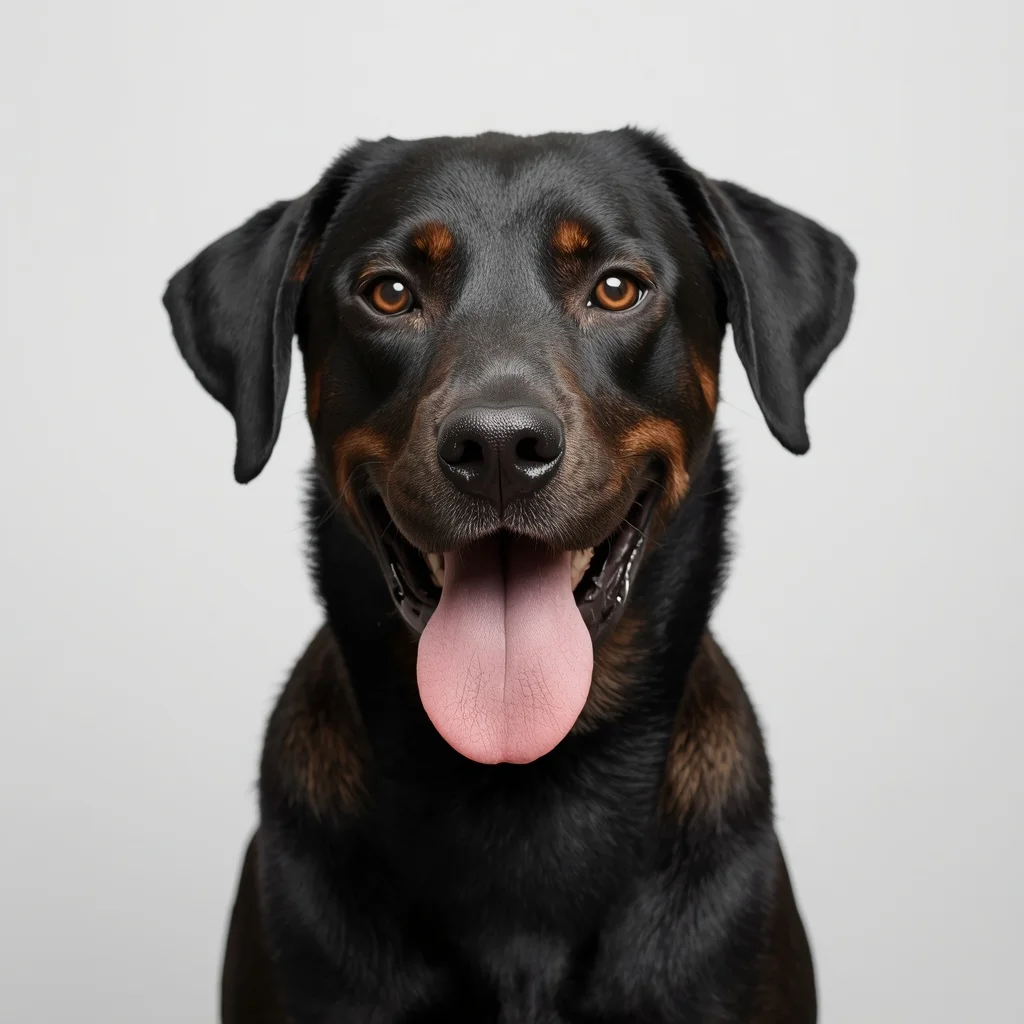
Adult dogs generally benefit from a consistent routine that includes appropriate nutrition, exercise, mental stimulation, grooming, training, companionship, and preventive veterinary care.
How To Care For A Senior Dog
Older dogs may experience changes in mobility, energy, senses, weight, or behavior.
Their exercise routines may need adjustment, and they may benefit from more comfortable bedding, easier access to resting areas, and additional veterinary monitoring.
Dog Care Requirements by Life Stage
Dogs have different care needs as they grow and age. The following table highlights the main priorities and practical adjustments for each life stage.
| Life Stage | Key Focus | Practical Adjustments |
|---|---|---|
| Puppy | Growth, vaccination, socialization, and house training. | More frequent meals and bathroom breaks, short training sessions, controlled activity, and plenty of sleep. |
| Adult | Maintaining body condition, routine, and enrichment. | Consistent exercise, appropriate portions, dental care, and regular health checks. |
| Senior | Mobility, senses, weight, and age-related changes. | Gentler walks, comfortable bedding, easier access to resting areas, and more frequent veterinary monitoring when needed. |
There is no single routine that suits every dog. Your veterinarian can help you adapt your dog’s care as they move through different life stages.
Common Dog Care Mistakes Every Beginner Should Avoid
New dog owners sometimes make mistakes because they underestimate how much individual dogs can differ. Understanding these common problems can make dog ownership easier and safer.
1. Assuming Every Dog Needs The Same Routine
Exercise, feeding, grooming, and training requirements vary significantly between dogs. Always consider your dog’s age, size, health, lifestyle, and individual behavior.
2. Ignoring Dental Care
Dental hygiene should not be treated as an optional part of grooming. Include oral health in your dog’s preventive care routine and ask your veterinary team for appropriate advice.
3. Skipping Preventive Veterinary Care
Waiting until your dog appears sick is not a substitute for preventive veterinary visits. Regular examinations can help identify potential health problems and keep preventive care up to date.
4. Using Punishment Instead Of Consistent Training
Punishment can create fear and confusion. Focus instead on clear communication, consistent boundaries, positive reinforcement, and rewarding appropriate behavior.
5. Forgetting Mental Stimulation
Physical exercise alone may not satisfy all of your dog’s needs. Include opportunities for sniffing, exploration, learning, and problem-solving.
6. Overfeeding Your Dog
Providing excessive food and treats can contribute to unhealthy weight gain. Measure meals consistently and monitor your dog’s body condition.
7. Neglecting Grooming And Hygiene
Ignoring coat care, nails, ears, and teeth can lead to discomfort and preventable health problems. Develop a grooming routine that matches your dog’s needs.
A Simple Daily Dog Care Routine for Beginners
A practical daily routine helps first-time dog owners organize responsibilities without making dog care unnecessarily complicated.
The following schedule provides a general example that you can adjust according to your dog’s age, health, and lifestyle.
| Time of Day | Dog Care Activities | Main Purpose |
|---|---|---|
| Morning | Fresh water, breakfast, bathroom break, walking, and short training. | Hydration, nutrition, exercise, and routine. |
| During the Day | Water checks, mental stimulation, play, rest, and supervision. | Comfort, enrichment, and monitoring. |
| Evening | Scheduled meal, appropriate exercise, bathroom break, and companionship. | Nutrition, activity, and interaction. |
| Before Bed | Final bathroom opportunity and comfortable sleeping arrangements. | Rest and nighttime comfort. |
Morning Dog Care
- Provide fresh drinking water.
- Feed an appropriate meal according to your dog’s schedule.
- Give your dog a bathroom break.
- Provide suitable exercise or a walk.
- Spend a few minutes on training or interaction.
During The Day
- Check water availability.
- Provide appropriate mental stimulation.
- Give your dog enough time to rest.
- Monitor appetite, energy, and behavior.
- Offer bathroom opportunities as needed.
Evening Dog Care
- Provide the next meal according to the feeding routine.
- Give your dog another opportunity for exercise or a bathroom break.
- Spend calm and enjoyable time together.
- Check paws, coat, and general condition when appropriate.
- Make sure your dog has a comfortable place to sleep.
Not every dog needs the same schedule. The goal is to establish consistency while remaining flexible enough to meet your dog’s individual needs.
Complete Dog Care Checklist for Beginners
If you are caring for a dog for the first time, this checklist can help you remember the most important responsibilities.
Daily Dog Care Checklist
- ☐ Provide fresh and clean drinking water.
- ☐ Feed appropriate and balanced dog food.
- ☐ Measure food portions according to individual needs.
- ☐ Provide suitable exercise and bathroom opportunities.
- ☐ Spend time playing and interacting with your dog.
- ☐ Provide mental stimulation and enrichment.
- ☐ Maintain a clean and comfortable resting area.
- ☐ Monitor appetite, energy, and behavior.
- ☐ Keep your dog safe indoors and outdoors.
Weekly And Regular Dog Care Checklist
- ☐ Brush your dog’s coat according to its needs.
- ☐ Check ears, paws, nails, and skin.
- ☐ Wash food and water bowls regularly.
- ☐ Clean bedding and sleeping areas.
- ☐ Inspect toys for damage.
- ☐ Maintain consistent training and socialization.
- ☐ Review parasite prevention requirements.
- ☐ Maintain appropriate dental hygiene.
- ☐ Schedule veterinary visits when needed.
Using this checklist can help you establish good habits and become more confident as a first-time dog owner.
Frequently Asked Questions About Dog Care for Beginners
How do I take care of a dog for the first time?
Start with the essentials: appropriate food, fresh water, regular exercise, safe housing, grooming, training, social interaction, and preventive veterinary care.
Establish a consistent daily routine and learn about your dog’s individual requirements. If you are unsure about nutrition, vaccinations, or health concerns, consult a veterinarian.
What does a dog need every day?
Most dogs need fresh drinking water, appropriate nutrition, bathroom opportunities, suitable physical activity, mental stimulation, rest, companionship, and a safe environment every day.
The exact amount of food, exercise, and attention depends on the dog’s age, size, health, and lifestyle.
How often should I take my dog to the veterinarian?
Veterinary visit schedules vary according to age, health, lifestyle, and individual risk factors. Puppies generally require more frequent veterinary visits during their early development, while adult and senior dogs need preventive examinations according to their individual circumstances.
Your veterinarian can recommend an appropriate health monitoring schedule.
How much exercise does a dog need each day?
Exercise needs vary according to breed or breed mix, age, health, fitness, and temperament. Some dogs need more activity than others, while puppies and senior dogs may require gentler routines.
Build an activity schedule that matches your dog’s physical abilities and monitor them for signs of fatigue or discomfort.
What are the most important dog care tips for beginners?
The most important dog care tips include providing balanced nutrition, fresh water, appropriate exercise, grooming, positive training, mental stimulation, preventive veterinary care, and a safe environment.
Consistency is particularly important. Establishing simple daily habits can make responsible dog ownership easier.
Can I follow the same routine for every dog?
Not necessarily. Dogs differ in age, health, size, breed or breed mix, energy level, temperament, and lifestyle.
Use general dog care recommendations as a starting point, then adjust feeding, exercise, grooming, and training according to your individual dog’s needs.
How often should I bathe my dog?
Bathing frequency depends on your dog’s coat type, lifestyle, skin condition, and individual needs. Some dogs require more frequent bathing than others.
Use dog-specific shampoo and avoid excessive bathing if it causes dryness or irritation. Ask a veterinarian or professional groomer for advice if your dog has skin problems.
What should I feed my dog every day?
Choose a complete and balanced dog food appropriate for your dog’s life stage and individual nutritional requirements.
Puppies, adult dogs, and senior dogs may need different diets. Measure portions according to feeding recommendations and adjust them based on body condition and veterinary advice.
How can I keep my dog healthy and happy?
Provide appropriate nutrition, fresh water, regular exercise, mental stimulation, grooming, training, companionship, and preventive veterinary care.
Also give your dog a safe environment, sufficient rest, and opportunities to explore and interact with the world in a positive way.
How do I know if my dog is sick?
Changes in appetite, drinking, energy, bathroom habits, breathing, movement, skin, or behavior may indicate a health problem.
Persistent or unusual symptoms should be discussed with a veterinarian. Seek urgent veterinary care if your dog experiences severe breathing difficulties, collapse, seizures, or suspected poisoning.
Is dog grooming necessary?
Yes. Grooming helps maintain coat cleanliness, supports skin health, and allows you to check your dog’s ears, nails, paws, and teeth.
The appropriate grooming routine depends on coat type, lifestyle, and individual needs.
How can I train a dog as a beginner?
Start with simple commands such as sit, stay, come, leave it, and drop it.
Use positive reinforcement, short training sessions, patience, and consistency. Reward behaviors you want your dog to repeat and gradually introduce new distractions.
Final Thoughts: Building a Healthy Dog Care Routine
Learning how to take care of a dog does not require a complicated routine. The most important step for a first-time dog owner is to develop consistent habits around nutrition, fresh water, exercise, grooming, training, enrichment, safety, and preventive veterinary care.
Start by preparing your home, choosing appropriate food, establishing a daily schedule, and understanding your dog’s individual needs.
As you become more familiar with your companion’s personality, behavior, and activity level, you can adjust the routine to provide more suitable care.
Remember that responsible dog ownership also involves regular veterinary visits and recognizing changes in your dog’s normal physical condition and behavior.
With patience, consistency, and responsible attention, you can create a safe and supportive environment where your dog can live a healthy and happy life.
For more practical advice on caring for your companion, explore our How to Choose Dog Food: A Complete Beginner’s Guide and discover more helpful pet care resources at Nest Pet Animals.