Table of Contents
- Complete Cat Care Guide: Everything You Need To Know
- 1. Understanding Your Cat's Basic Needs
- 2. Choosing The Right Food For Your Cat
- 3. Providing Fresh Water And Proper Hydration
- 4. Creating A Comfortable Indoor Environment
- 5. Choosing And Maintaining A Litter Box
- 6. Grooming And Coat Care
- 7. Dental Care And Oral Hygiene
- 8. Veterinary Checkups And Preventive Healthcare
- 9. Understanding Cat Behavior And Body Language
- 10. Playtime, Exercise, And Mental Stimulation
- 11. Keeping Your Cat Safe At Home
- 12. Common Cat Care Mistakes To Avoid
- 13. Caring For Cats At Different Life Stages
- 14. Building A Simple Daily Cat Care Routine
- 15. Frequently Asked Questions About Cat Care
- Final Thoughts: Giving Your Cat The Care It Deserves
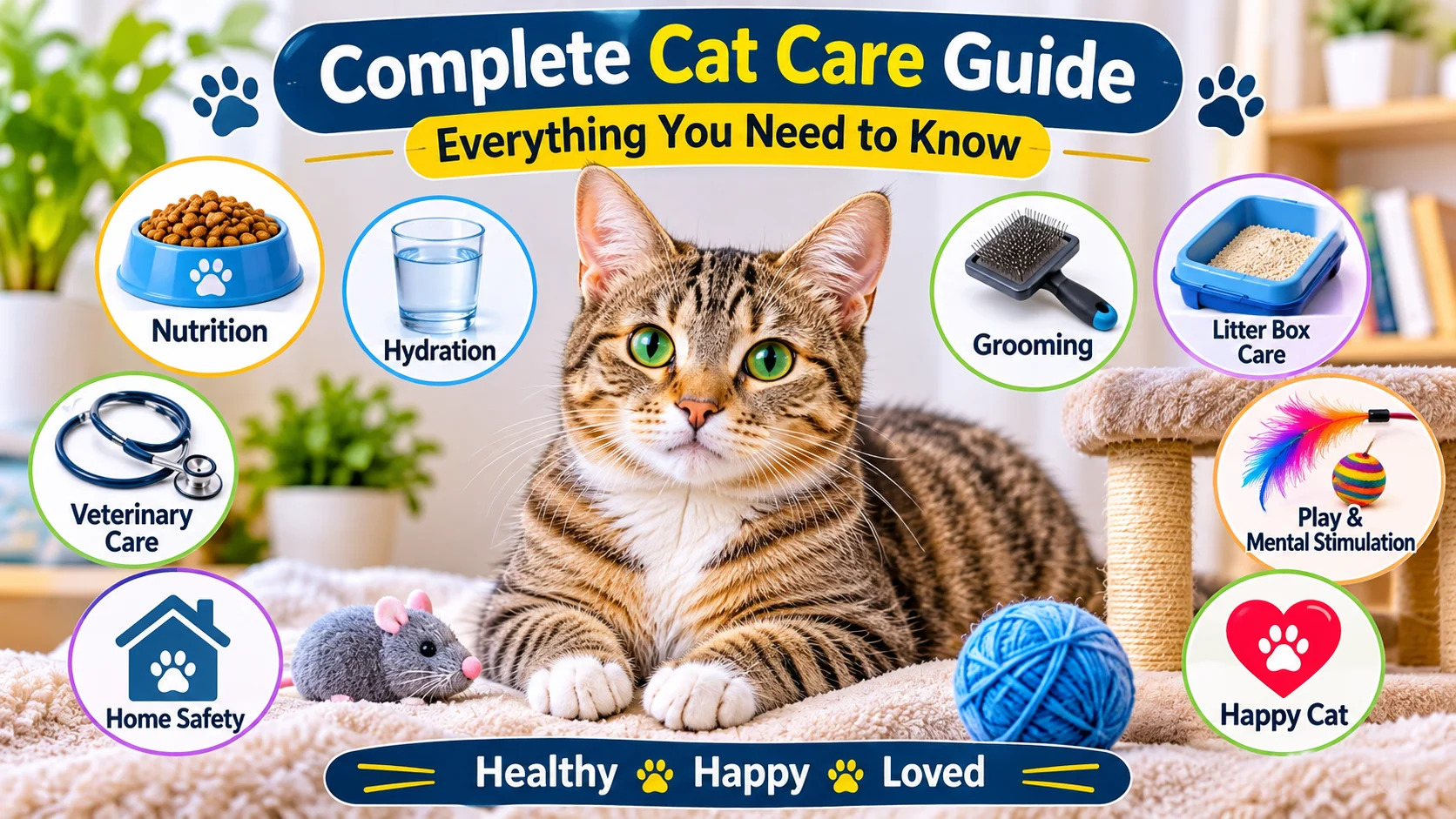
Complete Cat Care Guide: Everything You Need To Know
Bringing a cat into your home is a rewarding experience, but responsible cat ownership involves much more than providing food and a comfortable place to sleep. Cats need balanced nutrition, clean living spaces, regular veterinary care, mental stimulation, and an environment where they feel safe and secure.
Whether you are welcoming your first kitten or looking to improve the care you provide to an adult cat, understanding these essential needs can make a meaningful difference in your pet’s quality of life.
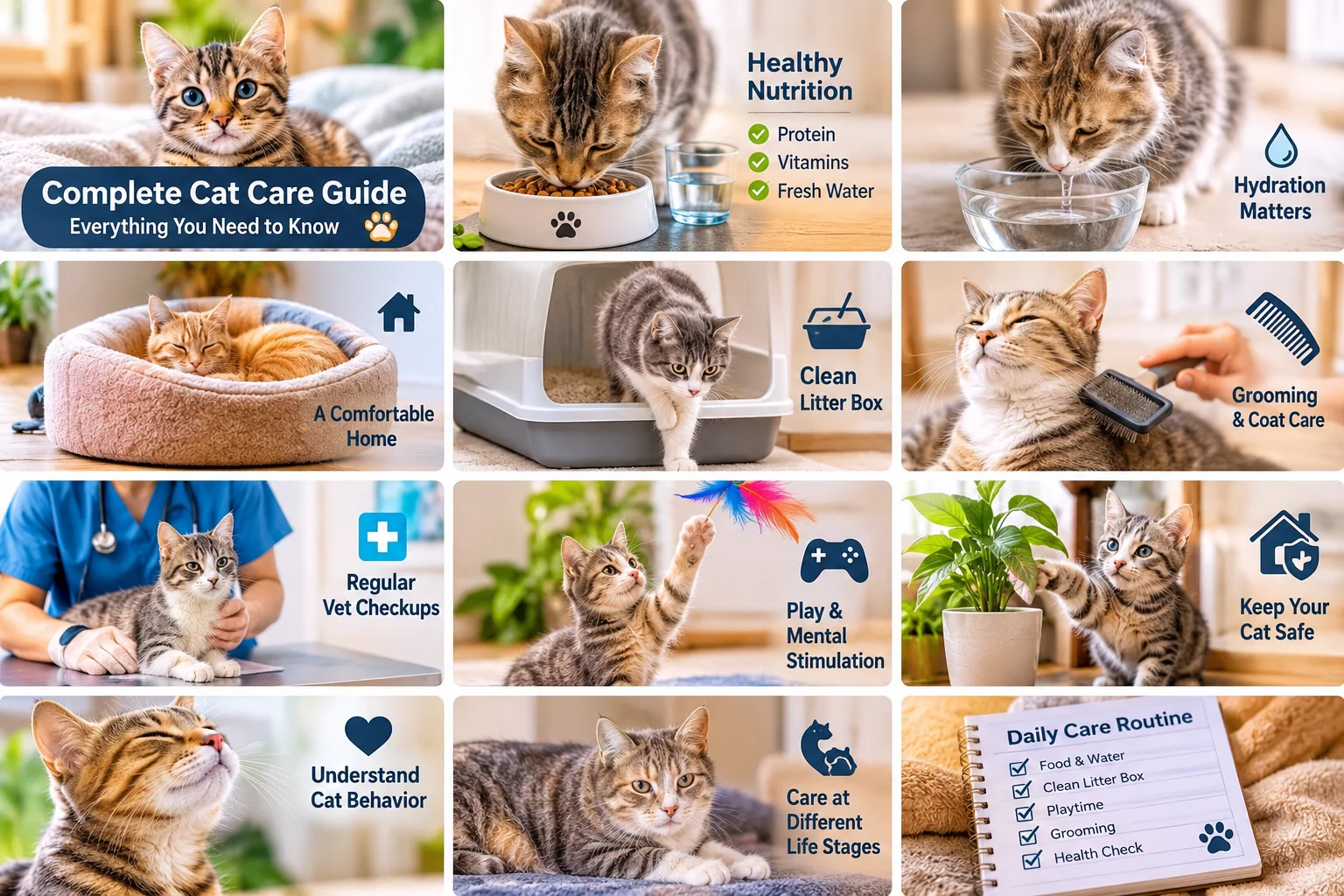
This complete cat care guide covers the fundamentals of everyday feline care, including feeding, grooming, litter box maintenance, health monitoring, behavior, exercise, and home safety. With the right knowledge and consistent routines, you can help your cat stay comfortable, active, and healthy throughout every stage of life.
1. Understanding Your Cat’s Basic Needs
Although cats are often considered independent animals, they still depend on their owners for important aspects of their well-being. A healthy domestic cat needs more than food and water. It also requires a clean environment, opportunities to express natural behaviors, appropriate social interaction, and preventive healthcare.
Most cats benefit from having the following essentials:
- Balanced nutrition: Complete and appropriate food that meets their age, lifestyle, and health requirements.
- Fresh drinking water: Clean water available throughout the day.
- A clean litter box: A comfortable, accessible place to eliminate.
- A safe resting area: Quiet spaces where your cat can sleep and relax without disturbance.
- Daily enrichment: Play, exploration, scratching opportunities, and mental stimulation.
- Preventive veterinary care: Routine examinations, vaccinations, and parasite prevention when appropriate.
- Gentle social interaction: Positive attention that respects your cat’s personality and boundaries.
Every cat is an individual. Age, breed, activity level, temperament, and medical history can influence its needs. A care routine should therefore be adjusted to the particular animal rather than following a single approach for every cat.

2. Choosing The Right Food For Your Cat
Nutrition is one of the most important parts of responsible cat ownership. Cats are obligate carnivores, which means they have specific nutritional requirements that are naturally met through animal-based nutrients. A suitable diet helps support normal growth, muscle maintenance, energy, and overall health.
What Should A Balanced Cat Diet Include?
A complete and balanced cat food should provide the essential nutrients your cat needs, including:
- Animal-based protein: Supports muscle development and tissue maintenance.
- Essential amino acids: Taurine is particularly important for normal heart and eye function.
- Healthy fats: Supply energy and help support skin and coat condition.
- Vitamins and minerals: Contribute to normal body functions and overall well-being.
- Appropriate moisture: Helps contribute to daily water intake, particularly when wet food is included.
Wet Food Vs. Dry Food
Cat food is available in several forms, with wet and dry food being two of the most common options. Each has different characteristics.
| Food Type | Main Characteristics | Important Considerations |
|---|---|---|
| Dry food | Convenient to store and serve, with a relatively long shelf life after opening when stored correctly. | Contains less moisture, so access to fresh drinking water is especially important. |
| Wet food | Contains more moisture and often has a softer texture. | Requires proper refrigeration after opening and careful handling. |
| Mixed feeding | Combines wet and dry food in a feeding routine. | Total daily calories should be monitored to avoid overfeeding. |
There is no single feeding format that is ideal for every cat. The best choice depends on nutritional needs, preferences, health conditions, and your veterinarian’s recommendations.
How Often Should You Feed Your Cat?
Feeding frequency depends on your cat’s age, health, and individual routine.
- Kittens: Growing kittens generally need several small meals throughout the day. Their food should be specifically formulated for growth.
- Adult cats: Many adult cats do well with two or more measured meals per day.
- Senior cats: Older cats may benefit from adjustments to food texture, nutrient composition, or feeding frequency depending on their health.
Follow the feeding guidance on the food packaging as a starting point, then adjust portions according to your cat’s body condition and veterinary advice. Always provide access to fresh water.
Related topic: Our planned guide, “Can Cats Eat Human Food? Safe vs Toxic Foods,” will explore which common foods are suitable for cats and which should be avoided.
3. Providing Fresh Water And Proper Hydration
Hydration is essential for normal body function. Cats can sometimes be reluctant drinkers, so making fresh water easy to access is an important part of everyday care.
Use clean water bowls and refill them regularly. Some cats prefer wide, shallow bowls because their whiskers are less likely to touch the sides. Others may show interest in a pet water fountain.
Simple Ways To Encourage Drinking
- Place water bowls in quiet, accessible locations.
- Keep drinking water away from dirty litter areas.
- Clean bowls frequently to prevent residue and buildup.
- Offer more than one water station in a larger home.
- Consider wet food if it is suitable for your cat’s nutritional needs.
Changes in drinking habits can sometimes indicate an underlying health issue. If your cat suddenly drinks much more or less than usual, consult a veterinarian rather than assuming the change is harmless.
4. Creating A Comfortable Indoor Environment
A comfortable home environment helps cats feel secure and gives them opportunities to rest, explore, and express natural behaviors. Indoor cats especially benefit from a thoughtfully arranged living space.
Provide Safe Resting Areas
Cats often prefer quiet places where they can sleep without being disturbed. Provide comfortable bedding in several locations, including at least one area where your cat can retreat when it wants privacy.
Offer Vertical Space
Many cats enjoy climbing and observing their surroundings from elevated positions. Cat trees, stable shelves, and suitable window perches can provide valuable environmental enrichment.
Make sure climbing structures are stable and positioned safely. Windows should have secure screens where necessary, and balconies should be properly protected against falls.
Give Your Cat Scratching Opportunities
Scratching is a normal feline behavior. Cats scratch to maintain their claws, stretch their bodies, and communicate through scent and visual markings.
Provide suitable scratching posts or boards in areas where your cat spends time. Some cats prefer vertical surfaces, while others prefer horizontal scratchers. Offering different textures can help you discover your cat’s preference.
5. Choosing And Maintaining A Litter Box
A clean, accessible litter box is essential for feline comfort and household hygiene. Even a well-behaved cat may avoid a litter box that is too small, difficult to reach, poorly positioned, or not cleaned regularly.
How Many Litter Boxes Do You Need?
A commonly recommended guideline is one litter box per cat, plus one additional box. For example, a household with two cats would ideally have three litter boxes, provided there is enough space.
In multi-level homes, placing a box on each level can make access easier. Boxes should be located in quiet areas where cats can reach them without being startled or blocked by other pets.
Basic Litter Box Maintenance
- Remove waste at least once daily, and more frequently when necessary.
- Replace litter according to its type and the manufacturer’s recommendations.
- Wash the box regularly using a mild, cat-safe cleaning product.
- Avoid strong fragrances that may discourage your cat from using the box.
- Choose a box that allows your cat to enter, turn around, and dig comfortably.
Sudden changes in litter box habits should not automatically be treated as behavioral problems. Urinary discomfort, digestive problems, and other medical conditions can affect elimination. Contact a veterinarian if your cat begins avoiding the box or shows signs of discomfort.
Related topic: Our upcoming article, “How to Litter Train a Kitten Step-by-Step,” will provide a more detailed guide to helping young cats develop consistent litter habits.
6. Grooming And Coat Care
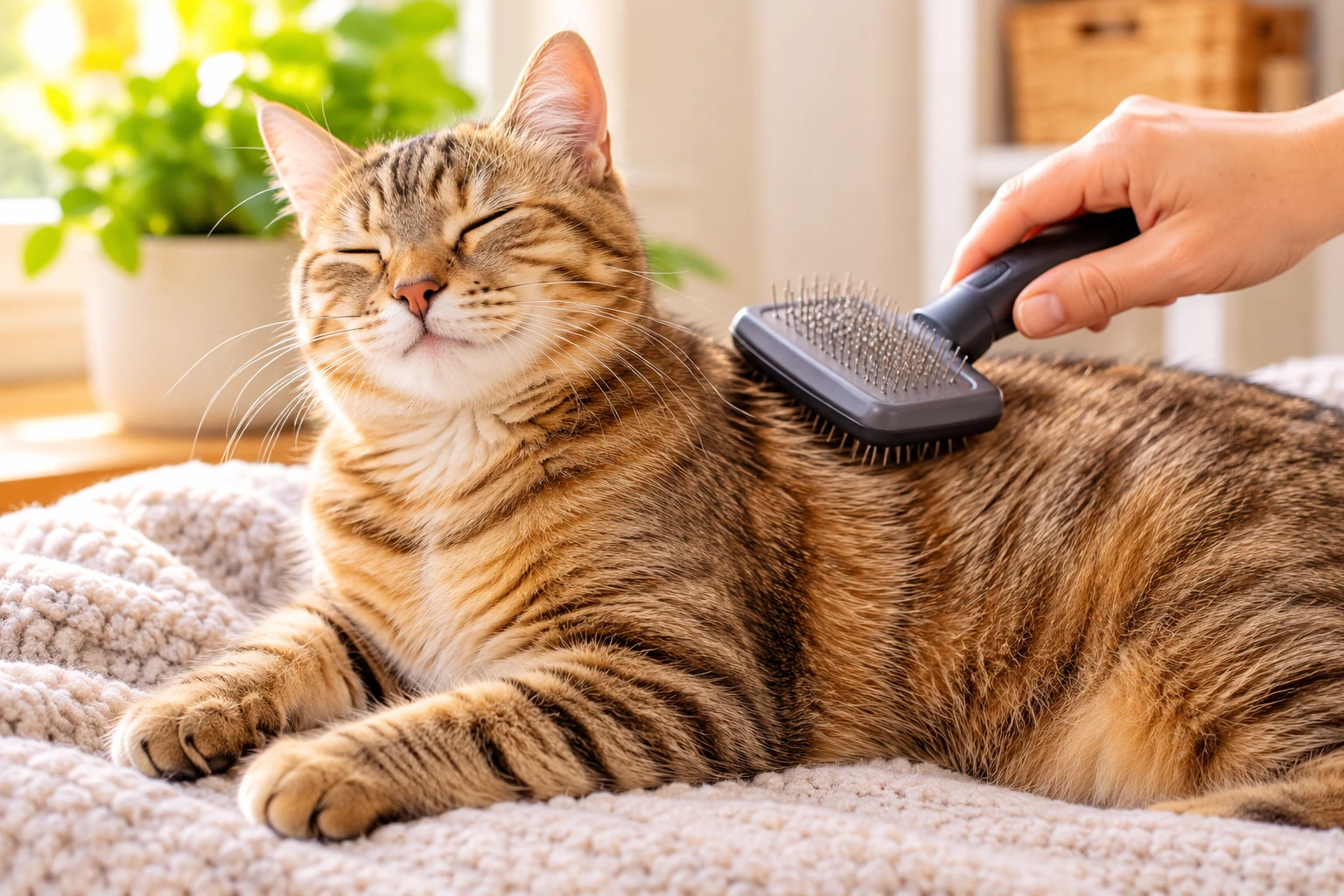
Regular grooming helps keep your cat’s coat in good condition and provides an opportunity to notice changes in the skin, fur, or body. The amount of grooming required depends on coat length, age, health, and individual preferences.
Brushing Your Cat
Short-haired cats may need brushing less frequently than long-haired breeds, which can develop tangles and mats if their coats are neglected.
- Use a brush or comb suitable for your cat’s coat type.
- Introduce grooming gradually, especially with nervous cats.
- Brush gently and avoid pulling at tangled fur.
- Pay attention to areas where mats commonly develop, such as behind the ears and under the legs.
- Stop if your cat becomes distressed, and seek professional grooming assistance for severe mats.
Bathing Your Cat
Most healthy cats groom themselves and do not require frequent baths. Bathing may be necessary when a cat becomes unusually dirty or has a medical condition requiring a specific cleaning routine.
When bathing is necessary, use a product specifically formulated for cats. Never use human shampoo or products intended for other animals unless a veterinarian confirms they are appropriate.
Trimming Nails
Some cats need occasional nail trimming, particularly if they do not naturally wear down their claws through scratching and activity.
Use proper cat nail clippers and trim only the sharp tip, avoiding the sensitive pink area inside the nail. If you are unsure how to do this safely, ask a veterinary professional to demonstrate the technique.
7. Dental Care And Oral Hygiene
Dental health is an often-overlooked part of cat care. Plaque and tartar can accumulate on teeth, while dental disease may cause discomfort and affect eating habits.
Signs that may indicate an oral health problem include:
- Persistent bad breath.
- Red or swollen gums.
- Difficulty chewing or dropping food.
- Reduced interest in eating.
- Unusual drooling or pawing at the mouth.
Regular veterinary dental examinations are important. If your cat tolerates it, gradual tooth brushing with a cat-specific toothbrush and toothpaste can help support oral hygiene. Never use human toothpaste, as some ingredients may be unsafe for cats.
Arrange a veterinary appointment if you notice signs of oral discomfort rather than waiting for them to disappear.
8. Veterinary Checkups And Preventive Healthcare
Preventive veterinary care helps identify health concerns early and supports your cat through different life stages. Even cats that appear healthy benefit from regular professional examinations.
Routine Veterinary Examinations
During a checkup, a veterinarian may assess your cat’s weight, body condition, teeth, eyes, ears, skin, heart, and general physical condition. The frequency of visits depends on age, medical history, and individual risk factors.
Kittens, senior cats, and cats with ongoing medical conditions may require more frequent monitoring than healthy adult cats.
Vaccinations
Vaccines help protect cats against important infectious diseases. The appropriate vaccination plan depends on factors such as age, previous vaccination history, lifestyle, local disease risks, and veterinary guidance.
Some vaccines are considered core vaccinations for cats, while others may be recommended based on individual exposure risks. Your veterinarian can establish a suitable schedule for your pet.
Parasite Prevention
Fleas, ticks, intestinal worms, and other parasites can affect feline health. Prevention should be selected according to your cat’s lifestyle, age, location, and medical needs.
Only use parasite-control products specifically approved for cats and appropriate for your cat’s weight and age. Certain dog parasite treatments contain ingredients that can be highly toxic to cats.
Spaying And Neutering
Spaying and neutering are common veterinary procedures that prevent reproduction and may offer additional health or behavioral benefits. The appropriate timing depends on the cat’s development and individual circumstances.
Discuss the benefits, potential risks, and suitable timing with your veterinarian.
9. Understanding Cat Behavior And Body Language
Understanding feline behavior makes it easier to recognize your cat’s needs and build a positive relationship. Cats communicate through body posture, tail movement, ear position, vocalizations, and scent marking.
Common Cat Behaviors And What They May Mean
| Behavior | Possible Meaning |
|---|---|
| Purring | Often associated with comfort, but cats may also purr when stressed or unwell. |
| Slow blinking | May indicate relaxation and comfortable social interaction. |
| Tail held upright | Often associated with a friendly or confident greeting. |
| Ears flattened backward | May signal fear, irritation, or defensive behavior. |
| Hiding | Can be a normal response to a need for privacy, but a sudden increase may indicate stress or illness. |
| Scratching surfaces | A normal behavior used for claw maintenance, stretching, and communication. |
Behavior should always be interpreted in context. A single signal does not necessarily reveal exactly how a cat feels. Look at the whole body, the surrounding situation, and any changes from the animal’s normal behavior.
Respect Your Cat’s Boundaries
Not every cat enjoys being held or petted for long periods. Allow your cat to approach you, and pay attention to signs that it wants space. Positive interactions based on choice and consistency help build trust.
Avoid punishment for normal feline behaviors. Instead, identify the reason behind the behavior and provide an appropriate alternative.
10. Playtime, Exercise, And Mental Stimulation
Play is an important part of feline well-being. It allows cats to express hunting-related behaviors, explore their surroundings, and remain physically active.
Indoor cats may have fewer opportunities for natural exploration, so interactive activities are especially valuable.
Useful Ways To Keep Your Cat Active
- Interactive wand toys: Encourage chasing and pouncing while allowing you to participate.
- Puzzle feeders: Make mealtimes more engaging by encouraging problem-solving.
- Climbing structures: Provide opportunities for climbing and observation.
- Hide-and-seek games: Encourage exploration using safe hiding places and toys.
- Rotating toys: Keep familiar toys interesting by introducing them in rotation.
Choose toys without small detachable parts, loose strings, or other components that could be swallowed. Put away string-based toys after supervised play sessions.
Adapt playtime to your cat’s age, physical condition, and preferences. Short, regular sessions may work better than expecting every cat to participate in long periods of activity.
11. Keeping Your Cat Safe At Home
A safe home reduces the risk of accidental injuries, poisoning, and preventable emergencies. Cats are curious animals, so it is important to check areas they can access rather than assuming they will avoid dangerous objects.
Common Household Hazards
- Toxic plants: Lilies are particularly dangerous to cats. Even small exposures to certain parts of true lilies can cause severe poisoning.
- Human medications: Many medicines intended for people can be harmful to cats.
- Cleaning products: Store detergents, disinfectants, and chemicals securely.
- Small objects: Rubber bands, thread, needles, and small toys may cause serious problems if swallowed.
- Open windows: Unprotected windows and balconies can create fall risks.
- Electrical cables: Keep cords organized and inaccessible where possible.
- Unsafe foods: Some common foods, including chocolate, onions, garlic, and products containing certain artificial sweeteners, should not be offered to cats.
Never assume that a food, plant, or household product is safe simply because it is harmless to humans. Check with a veterinarian or a reliable veterinary poison resource if you are uncertain.
Should Your Cat Stay Indoors?
Indoor living can reduce exposure to traffic, predators, infectious diseases, and certain parasites. However, indoor cats need an enriched environment that provides exercise, exploration, and opportunities to express natural behaviors.
Some owners choose supervised outdoor access through secure enclosures or harness training. Any outdoor arrangement should be introduced carefully and should account for local risks.
12. Common Cat Care Mistakes To Avoid
Even well-intentioned owners can develop habits that do not fully meet their cat’s needs. Recognizing common mistakes can help prevent avoidable problems.
- Overfeeding: Giving excessive portions or too many treats can contribute to unhealthy weight gain.
- Ignoring dental health: Oral problems may develop without obvious early symptoms.
- Neglecting litter box cleaning: Dirty boxes can discourage normal elimination habits.
- Skipping veterinary visits: Cats may hide signs of illness, making routine examinations important.
- Using unsuitable products: Dog treatments, human medicines, and household products may be dangerous to cats.
- Ignoring behavioral changes: Unusual hiding, aggression, appetite changes, or altered litter habits may signal a problem.
- Lack of enrichment: An environment without play, scratching surfaces, or exploration opportunities may not meet a cat’s behavioral needs.
- Forcing interaction: Ignoring a cat’s boundaries can create fear and reduce trust.
Good cat care is not about creating a perfect routine overnight. It is about understanding your pet, noticing changes, and making consistent improvements.
13. Caring For Cats At Different Life Stages
A cat’s needs change as it grows. Feeding, activity, grooming, and healthcare should be adjusted throughout its life.
Kitten Care
Kittens need food formulated for growth, frequent meals, safe opportunities for play, and early veterinary care. This stage is also important for gentle handling, socialization, litter habits, and learning to interact with people and other animals.

Adult Cat Care
Adult cats generally benefit from a consistent feeding schedule, routine veterinary examinations, regular play, grooming suited to their coat, and a comfortable home environment.
Senior Cat Care
Older cats may experience changes in mobility, appetite, digestion, hearing, vision, or behavior. They may also develop medical conditions that require monitoring or treatment.
Make essential resources easy to reach. Low-entry litter boxes, accessible resting areas, and convenient food and water stations can help senior cats remain comfortable.
Discuss any changes in appetite, weight, thirst, mobility, or behavior with a veterinarian. Do not assume that these changes are simply a normal part of aging.
14. Building A Simple Daily Cat Care Routine
A predictable routine makes everyday care easier and helps you notice changes in your cat’s normal habits.
| Time | Care Activity | Purpose |
|---|---|---|
| Morning | Provide food and fresh water; check the litter box. | Meet basic needs and monitor normal habits. |
| During the day | Offer play opportunities and access to safe resting areas. | Support activity and mental enrichment. |
| Evening | Serve the next scheduled meal and spend time interacting. | Maintain consistency and strengthen positive interaction. |
| Daily | Remove litter box waste and observe appetite, energy, and behavior. | Maintain hygiene and notice possible changes. |
| Regularly | Brush as needed, inspect the coat, and arrange veterinary care. | Support grooming and preventive health. |
This is a general example rather than a fixed schedule. Adjust meal times, play sessions, and grooming according to your cat’s individual requirements.
15. Frequently Asked Questions About Cat Care
How Do I Take Care of a Cat for the First Time?
Start with the essentials: suitable cat food, fresh water, a clean litter box, comfortable resting areas, scratching surfaces, and safe toys. Arrange an initial veterinary examination and establish a consistent routine for feeding, cleaning, and play.
How Many Times a Day Should I Feed My Cat?
Feeding frequency depends on age, health, and individual needs. Kittens generally require several small meals daily, while many adult cats do well with two or more measured meals. Follow suitable feeding guidance and ask your veterinarian about the right portions for your cat.
Do Indoor Cats Need Regular Veterinary Visits?
Yes. Indoor cats still need preventive healthcare, physical examinations, and an appropriate vaccination and parasite-prevention plan. Their specific needs should be discussed with a veterinarian.
How Often Should I Clean My Cat’s Litter Box?
Remove waste at least once a day, and more frequently if needed. The entire litter should be replaced and the box cleaned according to the litter type and the manufacturer’s instructions.
Do Cats Need Baths?
Most healthy cats groom themselves and do not need frequent bathing. A bath may be necessary if a cat becomes unusually dirty or has a condition requiring specific care. Use only cat-appropriate products and seek veterinary advice when necessary.
How Can I Keep My Indoor Cat Happy?
Provide interactive play, scratching posts, climbing opportunities, comfortable resting areas, puzzle feeders, and regular positive interaction. Rotate toys and allow your cat to explore its environment safely.
What Foods Should Cats Never Eat?
Some foods that are unsafe for cats include onions, garlic, chocolate, alcohol, and products containing certain artificial sweeteners. Avoid offering unfamiliar human foods without checking their safety with a reliable veterinary source.
How Do I Know If My Cat Is Sick?
Possible warning signs include changes in appetite, unusual thirst, vomiting, diarrhea, difficulty breathing, reduced activity, hiding, or changes in litter box habits. These signs can have different causes, so contact a veterinarian if you notice concerning or persistent changes. Difficulty breathing or suspected poisoning requires urgent veterinary attention.
Final Thoughts: Giving Your Cat The Care It Deserves
Providing excellent care for a cat means meeting its physical, nutritional, medical, and emotional needs. A balanced diet, clean water, proper grooming, a well-maintained litter box, preventive veterinary care, and daily enrichment all contribute to a healthier and more comfortable life.
Every cat has its own personality and preferences, so the best care routine is one that reflects your individual pet’s needs. Pay attention to changes, respect your cat’s boundaries, and seek professional advice whenever health concerns arise.
With patience, knowledge, and consistent attention, you can build a safe and rewarding home where your cat has the opportunity to thrive.